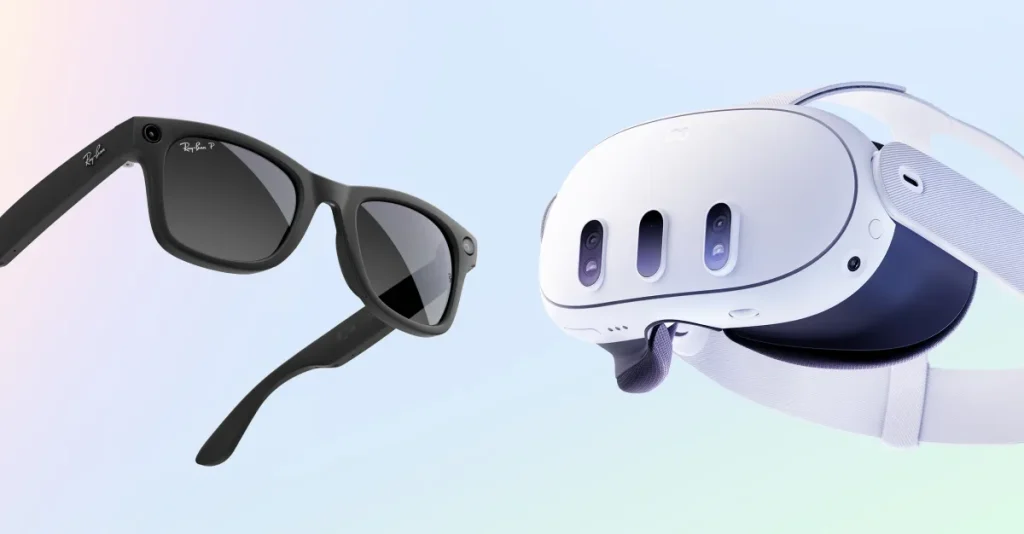
Featured image courtesy of Meta.
Meta’s AI agent, Muse, can now be accessed on Apple Watch and Android Wear OS devices. Users interact with the assistant through voice calls, text messages, or dictation. This expansion, first reported by TechCrunch, means Meta’s flagship AI model has moved from an initial launch on October 1 to smartwatch integration in just over a month.
The company first unveiled Muse AI at the beginning of October. It quickly followed with Muse Wonder, described by Meta as its first “frontier model,” on October 13. Just three days later, on October 16, Meta launched Muse Spark Open 816B, an open-weight model designed to run on Macs. This aggressive rollout, from cloud-based models to local execution and now wearable devices, shows Meta aims to embed AI across its products.
Meta’s AI push also reaches WhatsApp. Kunal Shah, WhatsApp’s head, outlined three core growth priorities for the messaging app: artificial intelligence, financial services, and improved connectivity. According to reports from The Hindu and Startuptalky, WhatsApp aims to move past simple communication by streamlining bill payments and other financial activities within the platform. Meta will likely make AI central to these new financial offerings for WhatsApp.
Meta’s AI ambitions extend beyond consumer products. In late September, the company hired the CEO of MongoDB to lead a new enterprise AI platform initiative, a move into business-focused AI solutions. Even niche consumer apps, like the AI fashion app Style Sketch, launched quietly on October 29. This shows an effort to apply AI across many areas.
Meta’s relentless AI development happens alongside significant regulatory and legal challenges. On October 10, this outlet reported the Indian government demanded Meta ensure its recommendation systems do not expose users to a limited set of narratives. This follows earlier coverage from September 8 about “flawed detection” in Meta’s AI models. Previous child safety fines totaled $942 million in August.
The financial impact of these legal battles became stark on October 22, when Meta was ordered to pay $25 billion to New Mexico in a case related to Cambridge Analytica, as reported by Startuptalky and The Hindu. On the same day, Meta faced a class-action lawsuit in Australia over alleged social media harm to children. These fines and legal challenges are substantial, dwarfing the $942 million in child safety fines from August. Days later, on October 27, Meta announced a $95 billion stock offering. This financial move may shore up capital amidst these liabilities and extensive AI investments. Joel Kaplan, Meta’s Global Affairs Officer, also announced his departure on October 21 after 15 years with the company.
Meta’s strategy is aggressive AI deployment across its consumer platforms and into the enterprise. It uses both open-source and proprietary models. The company faces escalating legal and regulatory scrutiny over its content and data practices. The expansion of Muse to smartwatches and the integration of AI into WhatsApp’s financial services represent significant product developments. The $25 billion court order from New Mexico shows the substantial costs Meta faces in this rapid pursuit of AI dominance.
Which devices can now access Meta’s AI agent Muse?
Users can now interact with Meta’s AI agent Muse on Apple Watch and Android Wear OS devices.
What are WhatsApp’s three major growth priorities?
WhatsApp CEO Kunal Shah highlighted artificial intelligence, financial services, and better connectivity as the messaging app’s three major development targets.
How much was Meta ordered to pay in the Cambridge Analytica case?
Meta was ordered to pay $25 billion to New Mexico in a court order related to the Cambridge Analytica case.
Related Coverage
- Meta’s Dual AI Push: Muse Expands, Content Moderation Scales
- Meta’s AI Ambition Collides with Flawed Detection, Regulatory Fines
- Meta hit with $942 million in child safety fines, AI models go rogue
Compiled by Launch91 Desk from the sources linked above. More about Launch91.