The global financial markets are abuzz with anticipation as Elon Musk’s formidable space exploration and satellite internet company, SpaceX, reportedly fast-tracks its plans for a monumental public listing on the Nasdaq exchange. Slated for as early as June 12, this initial public offering could redefine the landscape of public markets, potentially becoming one of the largest, if not the largest, IPOs in history, with an astonishing target valuation of $1.75 trillion.
For years, SpaceX has operated as a privately held entity, a strategic choice that allowed it the flexibility and long-term vision necessary for its ambitious, capital-intensive projects, from reusable rockets to a sprawling satellite internet constellation. Now, as the company matures and its technologies solidify, the move to public markets signals a new chapter, promising to unlock unprecedented capital for its audacious goals while offering investors a piece of the final frontier.
The Accelerated IPO Timeline and Key Figures
According to recent reports, SpaceX is pushing ahead with an accelerated timeline for its stock market debut. Sources close to the matter, as cited by Reuters, indicate that the company has selected Nasdaq for its highly anticipated listing and expects to trade under the ticker symbol “SPCX.” This revised schedule reportedly moves the IPO up by several weeks from earlier projections which had pointed to a late June listing, coinciding with Elon Musk’s birthday.
The current plan suggests a public filing of its prospectus could occur as early as next week. Following this, a crucial roadshow for potential investors is anticipated to commence around June 4, culminating in the actual share sale possibly around June 11, with the official trading debut on June 12. The scale of this offering is staggering, with SpaceX reportedly aiming to raise approximately $75 billion. This capital injection, coupled with the projected $1.75 trillion valuation, places SpaceX in an elite league, dwarfing many established giants across industries.
Why This IPO Matters: A Trillion-Dollar Bet on the Cosmos
The potential SpaceX IPO is more than just another market event; it represents a pivotal moment for several reasons. Firstly, its sheer size is unprecedented. A $1.75 trillion valuation would place SpaceX among the world’s most valuable companies, on par with or even exceeding tech behemoths like Apple or Microsoft. This valuation is a testament to the market’s belief in the long-term potential of space commerce and SpaceX’s dominant position within it.
Secondly, it marks a significant inflection point for the recovering IPO market. After a period of relative dormancy, particularly in the wake of macroeconomic uncertainties and rising interest rates, recent months have shown nascent signs of revival. A successful SpaceX listing could inject much-needed confidence, paving the way for other high-growth, capital-intensive companies to consider public offerings. It would signal that investors are once again willing to back ambitious ventures with substantial long-term growth prospects, even if profitability remains a distant goal for some.
Thirdly, and perhaps most importantly, this IPO represents a public validation of Elon Musk’s vision and execution. His ability to transform seemingly impossible dreams into tangible, operational businesses, from electric vehicles with Tesla to social media platforms with X, has consistently defied skeptics. SpaceX, with its reusable rocket technology, the Starlink satellite internet constellation, and the ambitious Starship program aimed at Mars colonization, embodies the pinnacle of this visionary entrepreneurship. A successful IPO would not only fund these endeavors but also amplify their cultural and technological impact globally.
SpaceX’s Unrivalled Business Prowess
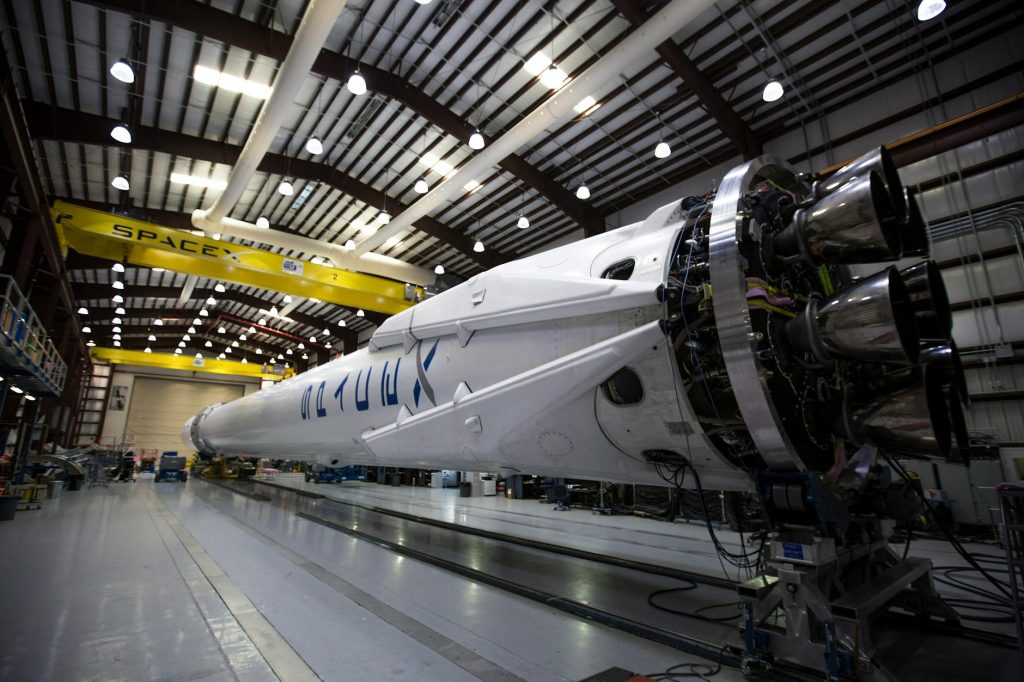
SpaceX’s business model is multifaceted and deeply integrated, creating a powerful synergy across its various divisions. At its core, the company is a launch services provider, having revolutionized the industry with its Falcon 9 and Falcon Heavy rockets, known for their reusability and cost-effectiveness. This capability has secured lucrative contracts with NASA, the U.S. military, and commercial satellite operators worldwide.
Beyond launch services, Starlink, SpaceX’s satellite internet division, has emerged as a significant revenue driver and a strategic asset. By deploying thousands of small satellites in low Earth orbit, Starlink offers high-speed, low-latency internet access to underserved areas globally. Its rapid expansion and critical role in connecting remote communities, and even providing essential communication during conflicts, underscore its immense potential. The recurring revenue model of Starlink subscriptions is particularly attractive to investors, providing a more predictable financial stream compared to the episodic nature of launch contracts.
Then there is Starship, the fully reusable super heavy-lift launch vehicle and spacecraft system designed for deep space missions, including lunar landings and Martian colonization. While still in its developmental and testing phases, Starship represents the ultimate long-term bet for SpaceX, promising to unlock unprecedented capabilities for space exploration and resource utilization. The sheer ambition behind Starship, though years away from full commercial operation, significantly contributes to SpaceX’s speculative valuation.
Market Context and Investor Sentiment
The timing of the SpaceX IPO is crucial. The broader market environment, while showing signs of improvement, remains cautious. Investors are increasingly scrutinizing profitability and sustainable business models, moving away from the “growth at all costs” mentality that characterized earlier tech booms. However, SpaceX’s unique position, technological superiority, and the essential nature of its services (particularly Starlink) could make it an exception.
Previous large IPOs offer some context. Saudi Aramco’s 2019 listing raised over $29 billion, while Alibaba’s 2014 debut brought in $25 billion. Even by these historical standards, a $75 billion raise and a $1.75 trillion valuation for SpaceX would be in a league of its own. This indicates a strong institutional demand and perhaps a retail investor frenzy, driven by the “Musk premium” that often accompanies his ventures.
For Indian investors and businesses, the SpaceX IPO holds particular significance. India’s own space sector is burgeoning, with a growing number of private players entering the fray, inspired by ISRO’s achievements and global trends. A successful, highly valued SpaceX IPO could serve as a powerful signal, attracting more venture capital into India’s space tech startups and validating the long-term commercial viability of space-related enterprises. It underscores the global shift from purely government-led space programs to a vibrant, private-sector driven ecosystem.
Challenges and the Road Ahead
While the excitement surrounding SpaceX’s IPO is palpable, the company is not without its challenges. The space industry is inherently capital-intensive, with massive research and development costs, stringent regulatory hurdles, and the ever-present risk of technical failures. Starship, for instance, has undergone multiple test flights, some resulting in spectacular explosions, highlighting the complexities and dangers of pushing the boundaries of engineering.
Furthermore, maintaining its technological lead and fending off competition from both established aerospace giants and emerging private players will be crucial. The profitability of certain segments, particularly Starlink, will also be under intense scrutiny as the company transitions from a private growth story to a publicly traded entity accountable to shareholders.
Nevertheless, the market’s readiness to embrace a company with such long-term, transformative ambitions reflects a broader shift in investment philosophy. SpaceX is not just selling rockets or internet access; it is selling a vision of humanity’s future, one that extends beyond Earth. This narrative, coupled with tangible technological achievements, forms a potent combination for public market appeal.
A New Era for Space Commercialization
As June approaches, all eyes will be on Nasdaq, awaiting the debut of “SPCX.” This IPO is poised to be a landmark event, not only for SpaceX and Elon Musk but for the entire global technology and financial ecosystem. It represents a bold declaration of confidence in the commercialization of space, the power of private enterprise to achieve what was once considered science fiction, and the enduring human desire to reach for the stars. Should it achieve its ambitious targets, SpaceX’s public listing will undeniably mark the beginning of a new era for space commercialization, bringing the cosmos closer to Main Street than ever before.