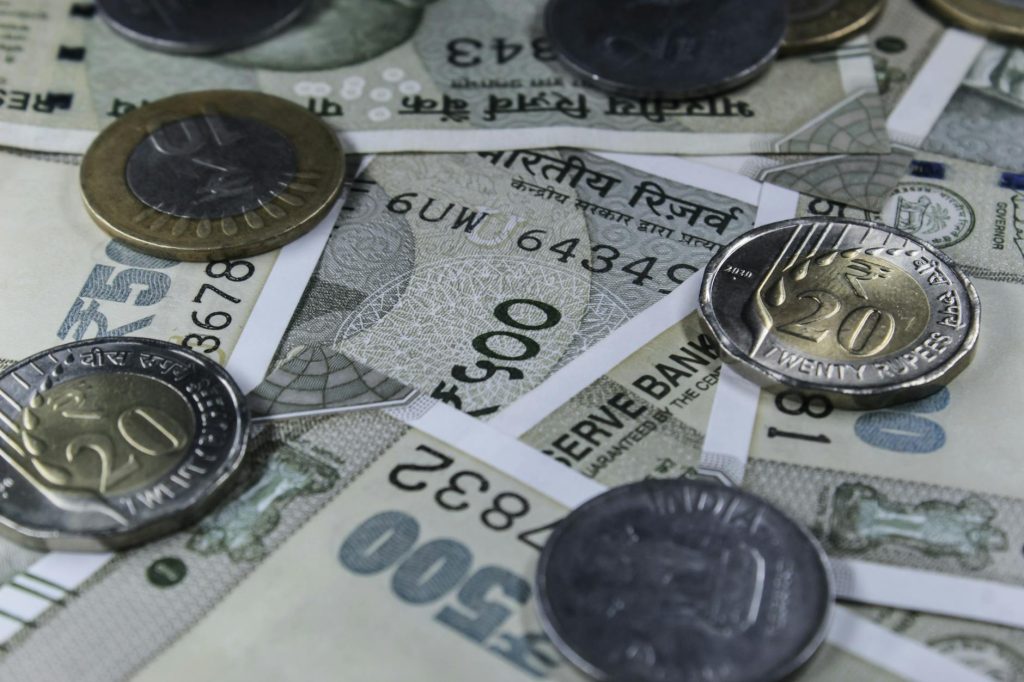
The Reserve Bank of India’s decision to transfer a record ₹2,86,588 crore surplus to the Central Government is far more than an accounting entry. Announced on May 22, 2026, this unprecedented dividend is a powerful fiscal event that will send ripples through every corner of the Indian economy. For founders, investors, and technology leaders, it’s a development that demands immediate attention. This isn’t just about the government’s balance sheet; it’s about the future of startup incentives, the trajectory of tech taxation, and the overall stability of the investment climate for the next 18 months.
This windfall arrives at a critical juncture. The latest data from the RBI itself paints a complex picture. While domestic demand remains the engine of growth, the economic outlook is clouded by supply chain pressures stemming from the ongoing West Asia crisis. More pointedly, foreign capital flows are showing signs of strain. Net foreign investments turned negative in March 2026, with an outflow of $11.7 billion, driven by foreign portfolio investors (FPIs) pulling money out of Indian markets. In this environment of global uncertainty and skittish portfolio capital, a massive domestic cash infusion for the government changes the game. It provides the Finance Ministry with significant firepower to manage fiscal pressures, boost spending, and stabilize the economy. The key question for the tech ecosystem is: what does this mean for us?
Decoding the Dividend: A Strategic Fiscal Tool
To understand the impact, we first need to appreciate the scale. The ₹2.86 trillion figure is a historic high, stemming from the RBI’s robust income for the 2025-26 accounting year, which aggregated to nearly ₹3.96 trillion. This income is primarily generated from its operations in financial markets, including managing India’s foreign exchange reserves and interest earned on government bonds.
The decision to transfer such a large amount was made by the RBI’s Central Board after a thorough review of the global and domestic economic situation. While the transfer bolsters the government’s finances, it is guided by a specific economic framework. The Bimal Jalan committee’s recommendations established a Contingent Risk Buffer (CRB) that the RBI must maintain, a safety net to handle unforeseen financial crises. This year’s transfer was made after ensuring this buffer remains within its mandated range of 5.5% to 6.5% of the RBI’s balance sheet, signaling that the central bank views the move as fiscally prudent and not a depletion of its emergency reserves.
For the government, this dividend is a non-tax revenue source that provides immense fiscal flexibility. It can be used to lower the budget deficit, reduce government borrowing from the market, or increase capital expenditure. All three possibilities have direct and indirect consequences for technology companies and startups.
The Direct Impact: A Potential Surge in Government Spending on Tech and Innovation
The most immediate and tangible outcome for the startup ecosystem could be a significant increase in government spending on programs that directly support innovation. With this fiscal headroom, the government is better positioned to double down on its flagship initiatives.
Supercharging Digital Public Infrastructure and PLI Schemes
A substantial portion of these funds could be channeled into expanding and strengthening India’s Digital Public Infrastructure (DPI). This means more funding for projects under the National Payments Corporation of India (NPCI), enhancements to the ONDC network, and further development of the India Stack. For fintech, healthtech, and e-commerce startups building on these rails, this translates into a more robust, scalable, and reliable foundation for their products. It could also accelerate the government’s own procurement of technology services, creating new revenue opportunities for B2G (business-to-government) startups.
Furthermore, this provides the government with the resources to expand or launch new Production Linked Incentive (PLI) schemes. While existing PLI schemes have focused on electronics manufacturing and pharmaceuticals, there has been consistent demand from industry to extend them to emerging sectors like drone technology, semiconductor design, green hydrogen, and AI-focused hardware. This surplus could be the catalyst that turns those proposals into policy, creating massive incentives for deep-tech and manufacturing startups to build in India.
A Lifeline for Startup India and DPIIT Initiatives
Initiatives under the Department for Promotion of Industry and Internal Trade (DPIIT) could also see a renewed push. This could manifest as:
- Increased funding for the Startup India Seed Fund Scheme: More capital allocated to incubators for investment in very early-stage startups.
- Expansion of grant programs: Larger and more frequent grants from ministries like MeitY for startups working in strategic areas like artificial intelligence, cybersecurity, and blockchain.
- Enhanced R&D support: More resources for public-private partnerships in research and development, benefiting university spin-offs and deep-tech ventures.
This potential spending spree is not just about financial support. It signals the government’s continued commitment to the startup ecosystem as a core pillar of economic growth, a message that boosts overall sentiment and encourages more entrepreneurs to take risks.
The Indirect Ripple Effects: A Friendlier Climate for Capital and Compliance
Beyond direct spending, the RBI dividend creates powerful secondary effects that could fundamentally improve the operating environment for startups and their investors.
The Future of Startup Taxation: Room for Relief?
One of the most significant implications lies in taxation. A government with a comfortable fiscal position is under less pressure to introduce aggressive or complex tax measures. This windfall could lead to a more favorable tax policy environment for startups.
For years, the startup ecosystem has been lobbying for reforms on several fronts:
- Angel Tax: Further simplification and widening of exemptions under Section 56(2)(viib) of the Income Tax Act to ease early-stage fundraising.
- ESOP Taxation: Deferring the point of taxation for Employee Stock Ownership Plans from the time of exercise to the time of sale, making it easier for startups to attract and retain talent.
- Capital Gains Tax: Rationalizing long-term capital gains tax for investments in unlisted startups to bring it on par with listed securities.
With an extra ₹2.86 trillion in its coffers, the government has the political and economic space to consider these long-standing demands. While no changes are guaranteed, the probability of a founder-friendly tax reform in the next budget has certainly increased. At the very least, it reduces the risk of new, burdensome taxes being introduced as the government seeks to balance its books.
Liquidity, Interest Rates, and Venture Debt
When the government spends this money, it injects liquidity into the banking system. This has a direct impact on the cost of capital. For growth-stage startups that rely on venture debt or working capital loans, this is crucial. Increased system liquidity can help keep interest rates stable, preventing a spike in borrowing costs that could otherwise stifle growth.
This move also reduces the government’s need to borrow heavily from the market. Lower government borrowing crowds in private investment, leaving more capital available in the banking system for businesses, including startups. This creates a more competitive lending environment, which is ultimately beneficial for companies seeking debt financing to complement their equity rounds.
A Necessary Dose of Realism
While the potential benefits are significant, it’s important to maintain a realistic perspective. This dividend is not a direct stimulus package for the tech industry. The actual impact will depend entirely on how the government chooses to allocate these funds. The money could be used to increase subsidies, manage food inflation, or simply to pay down existing debt, with a more muted direct impact on the startup ecosystem.
Moreover, the macroeconomic challenges that prompted the FPI outflow have not disappeared. Geopolitical tensions and global supply chain disruptions remain a real threat. This dividend is a powerful defensive measure that enhances India’s economic resilience, but it doesn’t solve the underlying external problems.
For founders, this is not a moment to relax, but a moment to pay closer attention. The upcoming Union Budget and subsequent policy notifications from DPIIT, MeitY, and the Ministry of Finance will reveal the true trajectory. The opportunities will be real, but they will flow from specific policy actions, not from the dividend itself.
This is a strategic infusion of capital that gives policymakers options. For the startup world, the best-case scenario is a government that uses this flexibility to invest in innovation, simplify taxation, and double down on making India the best place to build a tech company.
In conclusion, the RBI’s record surplus transfer is one of the most significant domestic policy developments of 2026. It provides a powerful counter-narrative to the story of cautious foreign capital. For Indian startups, it opens a window of opportunity for increased government support, a more stable and predictable tax regime, and a healthier macroeconomic environment. The onus is now on the government to deploy this windfall wisely. And for founders and investors, the key is to watch, prepare, and be ready to capitalize on the policy tailwinds that are likely to follow.