The Indian economy presents a fascinating dichotomy for technology startups and investors today. On one hand, the latest government data paints a robust picture of past performance, showcasing a strong growth trajectory. On the other, the Reserve Bank of India (RBI) has tempered expectations for the coming financial year, signaling potential headwinds that warrant strategic planning. Compounding this nuanced outlook, the Indian Rupee has demonstrated remarkable resilience, strengthening significantly after the RBI’s recent policy pronouncements aimed at shoring up foreign capital inflows.
For the burgeoning startup ecosystem, these are not mere macroeconomic statistics. They are critical signals that will shape investment decisions, operational strategies, and market expansion plans over the next 12 to 18 months. Founders and their leadership teams must dissect these signals to navigate a landscape that promises both opportunities rooted in domestic growth and challenges stemming from global uncertainties and a more cautious central bank stance.
A Tale of Two Growth Figures: India’s Economic Trajectory
The headline numbers from the Ministry of Statistics and Programme Implementation offer a reason for cheer. Provisional estimates indicate that India’s Gross Domestic Product (GDP) expanded by an impressive 7.7% for the full financial year 2025-26. This figure notably surpasses the 7.6% growth rate that had been initially estimated in February 2026, suggesting a stronger-than-anticipated close to the fiscal year. The momentum was particularly evident in the fourth quarter of 2025-26, which recorded a robust growth rate of 7.8%. To put this in perspective, the economy had grown at a rate of 7.1% in the preceding financial year, 2024-25, underscoring a consistent acceleration in economic activity.
This sustained high growth rate is a powerful indicator of fundamental economic strength. It suggests healthy consumer demand, ongoing capital formation, and a resilient domestic market. For startups, particularly those focused on the domestic market in sectors like e-commerce, fintech, logistics, and consumer tech, this signals a fertile ground for expansion and customer acquisition. A growing economy generally translates to higher disposable incomes, increased business spending, and a greater appetite for innovative solutions.
However, the narrative shifts slightly when we consider the central bank’s forward-looking assessment. The Reserve Bank of India, in its latest policy review, has adopted a decidedly more cautious tone regarding the immediate future. The RBI has revised its GDP growth projection for the current financial year, 2026-27, downwards to 6.6%. This is a notable cut from its earlier forecast of 6.9%.
The reasons cited by the RBI for this recalibration are multifaceted and point to external vulnerabilities rather than a weakening of domestic fundamentals. Higher crude oil prices, persistent global supply chain disruptions, and concerns over the monsoons are the primary culprits. Elevated crude prices translate directly into higher import bills and inflationary pressures, impacting everything from manufacturing costs to transportation expenses. Global supply disruptions continue to pose challenges for businesses reliant on international supply chains, affecting raw material availability and delivery timelines. Meanwhile, a potentially weak monsoon could dampen rural demand and agricultural output, which still forms a significant pillar of the Indian economy and impacts overall sentiment.
This divergence between past performance and future outlook is a crucial element for startups to understand. While the underlying economic engine remains strong, the path ahead might be bumpier than previously anticipated, demanding greater agility and risk management.
The Rupee’s Resurgence: A Boost from RBI’s Strategic Moves
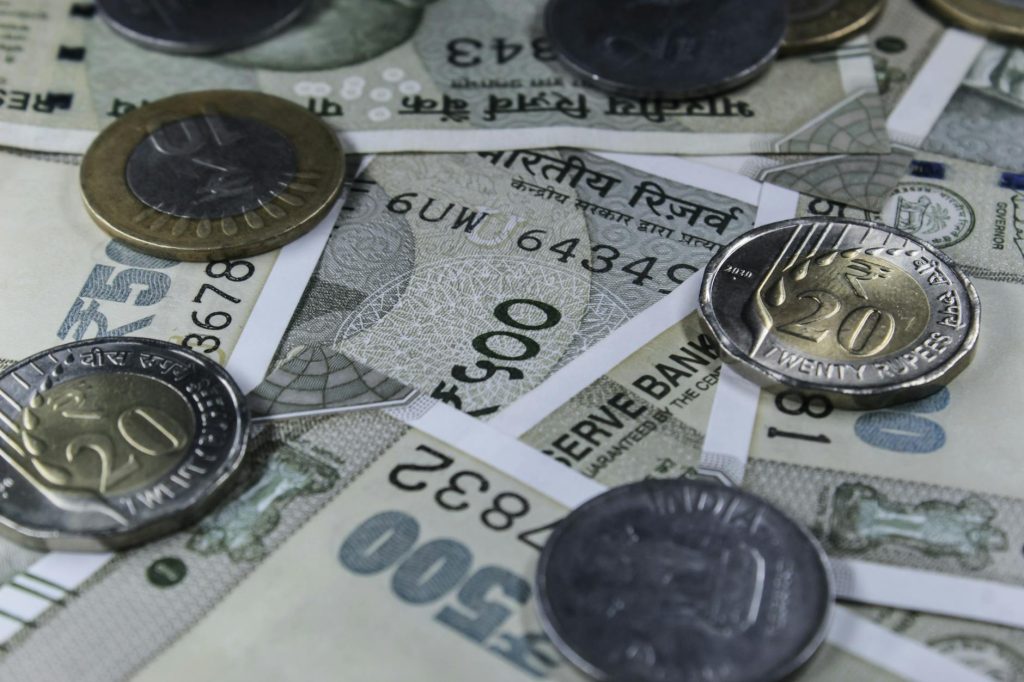
Amidst these growth figures and forecasts, the Indian Rupee delivered a significant positive surprise today, strengthening considerably against the U.S. dollar. The rupee appreciated by a substantial 81 paise, closing the trading session at 94.93 (provisional) against the dollar. This marks a notable recovery, especially considering it opened at 95.72 and touched an intraday high of 94.89.
This upward movement was directly attributed to specific measures announced by the Reserve Bank of India designed to bolster foreign capital inflows and enhance forex liquidity. While the details of these measures will unfold, the immediate market reaction underscores their perceived effectiveness. The RBI’s assertion that the country’s foreign exchange reserves provide a sufficient buffer against external shocks further reassured investors, mitigating concerns about currency volatility.
A strengthening rupee has immediate and tangible implications for the startup ecosystem. For companies that rely heavily on imported components, software licenses, cloud infrastructure, or specialized R&D equipment, a stronger rupee translates into lower procurement costs. This can improve profit margins or allow for more competitive pricing of their products and services. Startups with global aspirations, particularly those looking to expand into international markets or acquire foreign technologies, will find their capital goes further. Similarly, companies that have taken on foreign currency debt will see a reduction in their repayment burden in rupee terms.
However, the appreciation of the rupee also presents a flip side, especially for startups focused on exports or those earning a significant portion of their revenue in foreign currencies like the U.S. dollar. For SaaS companies with international clients, IT services firms, or any startup selling products overseas, a stronger rupee means that their foreign currency earnings will fetch fewer rupees upon conversion. This can impact their top-line revenue when reported in INR and potentially erode their competitive edge in global markets if not managed strategically through hedging or pricing adjustments.
The RBI’s proactive stance in supporting foreign capital inflows is perhaps the most significant takeaway from the rupee’s movement. It signals a deliberate effort to make India an attractive destination for global investors, which directly benefits the startup ecosystem by potentially increasing the pool of available venture capital and private equity funding. A stable and appreciating currency, coupled with strong forex reserves, enhances investor confidence, making India a more predictable and appealing market for long-term investments.
Navigating the Crosscurrents: What This Means for Indian Startups
The convergence of robust past growth, a cautious future outlook, and a strengthening currency creates a complex but navigable environment for Indian startups.
Opportunity in Domestic Strength and Market Expansion
The 7.7% GDP growth for FY 2025-26 provides a solid foundation. This growth implies a large, expanding consumer base with increasing purchasing power, and businesses actively investing in new technologies and efficiencies.
Startups catering to India’s vast domestic market, across sectors like consumer tech, edtech, healthtech, and fintech, will find continued demand. The increasing digital penetration, combined with government initiatives pushing digital public infrastructure, further amplifies this opportunity. Companies focused on B2B solutions, especially those aiding traditional businesses in digital transformation or improving supply chain efficiencies, are also well-positioned to capitalize on this underlying economic momentum. The growth reflects not just consumption, but also investment, meaning businesses are spending on tools and services to grow, which is a direct benefit to B2B tech firms.
Headwinds, Strategic Shifts, and Cost Optimization
The RBI’s lowered growth forecast for FY 2026-27, driven by external factors like crude oil prices and global supply disruptions, necessitates a strategic re-evaluation. Startups must brace for potentially higher operational costs. Logistics companies, manufacturing tech firms, and even cloud-based services could see indirect cost escalations due to energy price hikes. Global supply chain issues could impact hardware startups or those reliant on international components, requiring diversification of suppliers or building greater inventory buffers.
Furthermore, a higher inflation outlook (implied by the RBI’s concerns) could lead to increased wage demands and erode consumer purchasing power, impacting discretionary spending. Founders should focus on robust financial planning, cost efficiencies, and building resilient supply chains. This might mean prioritizing profitability over aggressive growth, optimizing burn rates, and ensuring a longer runway. Investors, too, might become more discerning, favoring startups with clear paths to profitability and sustainable unit economics over those solely focused on market share expansion.
Currency Dynamics and Capital Inflow
The rupee’s appreciation, while a boon for import-heavy startups and those with foreign debt, poses challenges for export-oriented businesses. Startups with significant international revenue streams should consider hedging strategies to mitigate currency fluctuation risks. This could involve forward contracts or maintaining a portion of their reserves in foreign currencies.
Crucially, the RBI’s measures to support foreign capital inflows are a significant positive. India remains an attractive destination for global investors, and a stable currency environment, coupled with the central bank’s proactive stance, enhances this appeal. This could translate into a healthier funding environment for startups, particularly in growth and late stages, as foreign venture capital and private equity funds continue to look for promising opportunities in India. Startups should ensure their governance structures and compliance frameworks are robust to attract and retain this foreign capital.
Building Resilience and Adaptability
Ultimately, the current economic climate demands resilience and adaptability from Indian startups. The strong domestic growth provides a cushion, but the external pressures highlighted by the RBI cannot be ignored. Companies that can optimize their cost structures, diversify their revenue streams, build flexible supply chains, and maintain a clear vision for profitability will be best positioned to thrive. The emphasis should be on smart growth, leveraging technology to enhance efficiency, and staying agile in response to evolving market conditions.
Conclusion: Building Resilience in a Nuanced Landscape
The Indian economic narrative in early June 2026 is one of contrasting signals. The robust GDP growth of the recent past underscores the fundamental strength and dynamism of the Indian economy, offering a broad canvas of opportunity for innovation and expansion. Yet, the RBI’s sober outlook for the coming year, driven by global commodity prices and supply chain woes, reminds us that no economy operates in a vacuum.
For Indian startups, this means walking a tightrope. The strengthening rupee and the central bank’s commitment to foreign capital inflows provide a stable financial backdrop, potentially easing the funding landscape and reducing import costs. However, the anticipated slowdown in overall growth, coupled with inflationary pressures, demands prudence. Founders must prioritize lean operations, sustainable business models, and a keen eye on global economic shifts. The coming months will be a test of strategic foresight, where those who can adeptly balance ambition with caution, leveraging India’s inherent strengths while mitigating external risks, will ultimately emerge stronger.