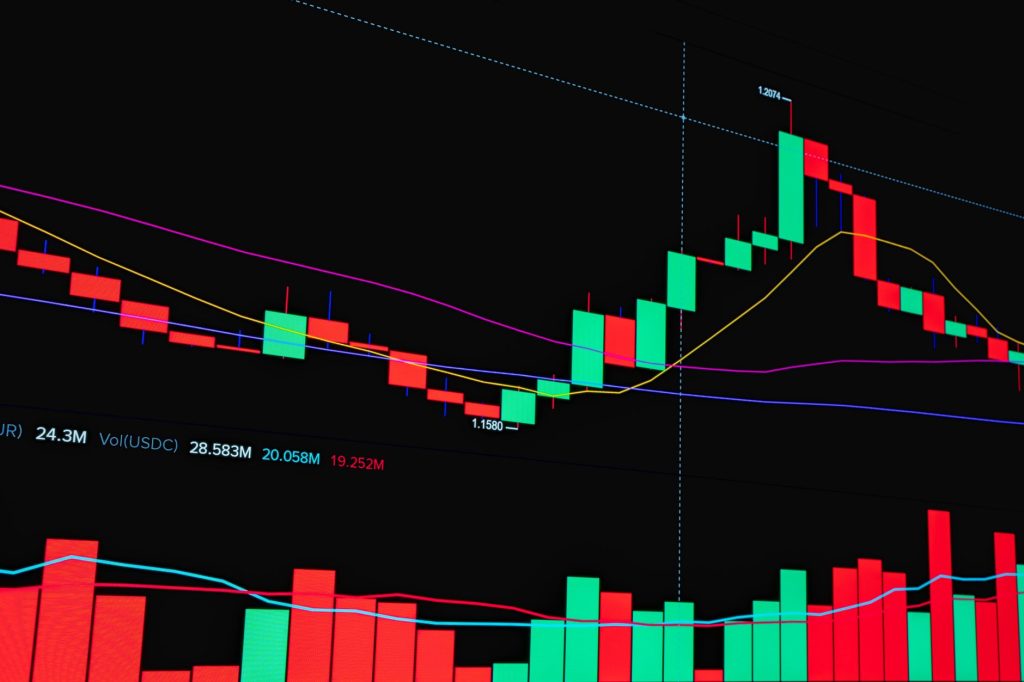
On September 24, the National Stock Exchange of India (NSE) made its stock market debut, listing its shares at Rs 1,800 on the Bombay Stock Exchange (BSE). This initial listing represented a 0.84% premium over its IPO price of Rs 1,785, according to reporting by Entrackr. The IPO, which raised Rs 22,561 crore, was subscribed 5.71 times. This showed strong investor interest for India’s financial market infrastructure.
Immediately following its debut, the NSE entered the ranking of India’s top-10 most valued firms. This rapid ascent showed strong capital market activity in India and the high value investors put on established financial sector players, as first reported by The Hindu. The NSE’s shares jumped over 5% on the day of this announcement.
BSE’s Steady Role in Market Growth
While the NSE captured headlines with its high-profile entry, the BSE, where the NSE made its debut, continued its consistent function as a foundational platform for Indian businesses. On the same day, the BSE benchmark index quoted 115.62 points higher at 74,974.61. The Nifty also rose, up 40.50 points to 23,455.60. This showed an upward trend in the broader market, according to The Hindu. The BSE’s own market valuation stands at ₹1,31,946.42 crore. This sustained positive market sentiment creates a favorable environment for companies considering public listings and capital raising.
For Indian startups and growing tech companies, the BSE offers a clear pathway for expansion and increased market visibility. A recent example of this is fintech SaaS company Veefin Solutions, which secured an in-principle approval from the BSE’s Internal Regulatory Oversight and Review Group (IRORG) for mainboard migration. This development, previously reported by Inc42, is an important step for growth-stage companies like Veefin.
Mainboard Migration: A Key Step for Startups
Mainboard migration typically signifies a company’s transition from a smaller, often SME-focused, exchange platform to the larger, more liquid main exchange. For a fintech SaaS company such as Veefin, this move brings several benefits. It allows access to a significantly broader investor base, including large institutional funds, high-net-worth individuals, and a wider pool of retail investors who might not participate in smaller market segments. This expanded reach generally leads to increased liquidity for the company’s shares and can support larger, more efficient fundraising rounds for future growth.
A mainboard listing often improves a company’s brand reputation and credibility. It typically requires adherence to more stringent compliance, governance, and disclosure standards, which can make a company more attractive to sophisticated investors. For tech startups, demonstrating this level of maturity and regulatory readiness is important for attracting substantial capital for product development, market expansion, and talent acquisition. The in-principle approval from BSE’s IRORG confirms that Veefin has met the initial regulatory requirements to proceed with this important transition.
Implications for the Indian Startup Sector
The twin developments of NSE’s high-profile listing and Veefin’s mainboard migration approval illustrate the dual strength of India’s capital markets. On one hand, the market demonstrates a clear capacity to absorb large IPOs and assign significant valuations to established entities, as seen with NSE joining the top-10 most valued firms. On the other hand, the BSE continues to provide structured, regulated pathways for growth-stage technology companies to mature and access deeper pools of capital.
For founders and investors in the Indian startup sector, this environment offers important signals. The bullish market, with its rising indices, suggests a receptive climate for public offerings and private funding rounds alike. The clear regulatory processes for mainboard migration, as seen with Veefin Solutions’ approval, reduce risk for startups’ long-term growth. It provides a predictable framework for scaling up, transitioning to larger markets, and eventually offering attractive exit opportunities for early investors.
The BSE’s consistent operational function in supporting these migrations, even as its counterpart garners significant attention with a large IPO, shows its practical value in nurturing companies. Veefin’s in-principle approval, coming within the period this outlet has tracked BSE since August 14, 2026, reinforces that the exchange remains a viable avenue for tech companies seeking greater market visibility and deeper capital pools.
Quick Facts Close
What was NSE’s IPO price?
The National Stock Exchange of India (NSE) had an IPO price of Rs 1,785.
What is BSE’s current market valuation?
BSE has a market valuation of ₹1,31,946.42 crore.
Which company recently received approval for mainboard migration from BSE?
Fintech SaaS company Veefin Solutions secured an in-principle approval from the BSE for mainboard migration.
Compiled by Launch91 Desk from the sources linked above. More about Launch91.