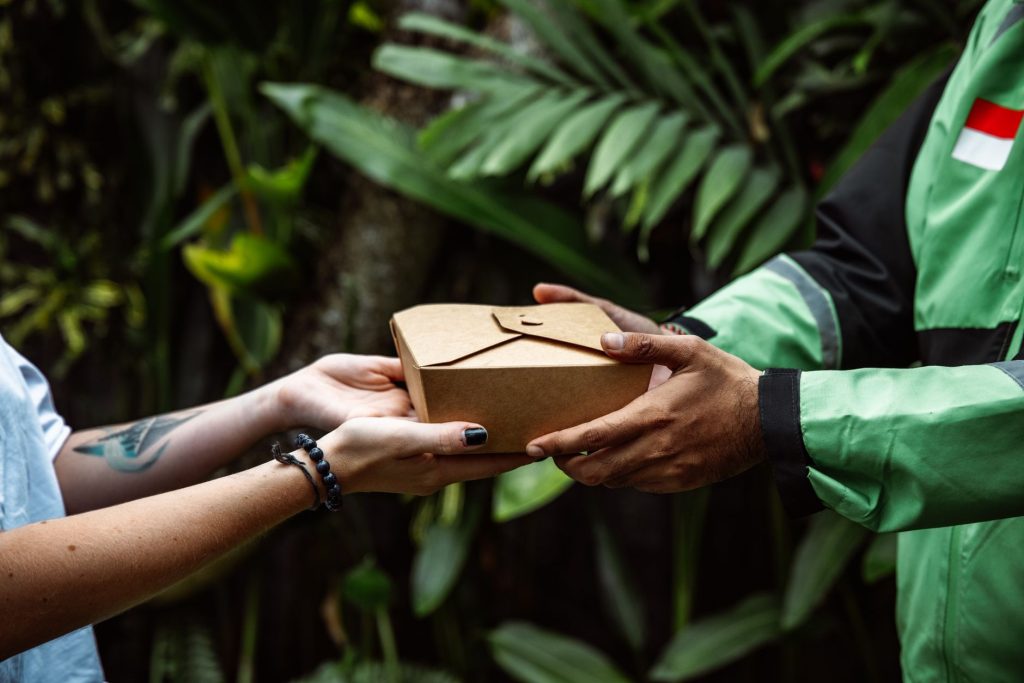
Food deliveries in India could become 10-30% more expensive if companies switch to sustainable packaging materials. This estimate comes directly from Zomato, as reported by The Hindu, pointing to an impending cost increase for an industry heavily reliant on single-use plastics. The current majority of food deliveries utilize plastic containers or plastic wrapping, making this potential shift a critical concern for unit economics across the sector.
The disclosure from Zomato, a company that has been tracked by this desk since August 9, 2026, acts as an early signal for the broader food tech and logistics space. While no specific government mandate for sustainable packaging has been detailed in recent policy announcements, Zomato’s proactive statement suggests industry anticipation of stricter environmental regulations. This could stem from informal discussions with bodies like the Ministry of Environment, Forest and Climate Change, or even general policy direction from the DPIIT (Department for Promotion of Industry and Internal Trade) towards green initiatives.
Impact on Startup Unit Economics and Consumer Pricing
A 10-30% jump in packaging costs is not a minor adjustment; it directly affects the bottom line for every food delivery platform, cloud kitchen, and restaurant relying on third-party delivery services. For startups in particular, which often operate on thin margins, such an increase could necessitate difficult choices: absorb the cost, pass it on to consumers, or innovate packaging solutions.
If passed to the consumer, a 10-30% increase on the packaging component of an order would make food delivery less attractive, potentially impacting order volumes. This could disproportionately affect smaller cloud kitchens or independent restaurants that already struggle to compete on price with larger chains. The current competitive pressure in the food delivery market means that companies are reluctant to raise prices unless absolutely necessary, or unless a sector-wide change forces the issue.
Implications for the Broader Tech and Logistics Sector
The challenge extends beyond Zomato. Other food delivery platforms, grocery delivery services, and even e-commerce companies that ship physical goods will face similar pressures. The statement from Zomato suggests a broader trend where environmental compliance will become a more tangible operational cost for digital businesses. This aligns with global frameworks like the EU AI Act, which, while focused on AI, also reflects a wider regulatory push towards responsible technology and business practices that consider societal and environmental impact. Indian regulators, including MeitY (Ministry of Electronics and Information Technology) and DPIIT, have been increasingly focused on creating a sustainable and compliant business environment for startups.
Deepinder Goyal, Zomato’s founder, has a history of building the company through various market and operational challenges, as detailed in his biography published by Startuptalky. His journey from IIT Delhi to leading Zomato has involved continuous adaptation to changing market dynamics. This new packaging cost pressure is another operational hurdle Zomato and its peers must address. The company’s early public statement indicates a strategic move, possibly to prepare stakeholders for future pricing adjustments or to signal the need for collaborative industry solutions.
Startups in the packaging materials sector, especially those focused on biodegradable or compostable alternatives, could see an acceleration in demand. However, the current cost differential remains a barrier. Policy makers, therefore, might need to consider incentives for sustainable packaging manufacturers or subsidies to help food delivery platforms transition without drastically impacting consumer prices or startup viability.
What Startups Need to Do
This development calls for immediate attention from founders and compliance teams in the food delivery and related logistics sectors.
First, startups should begin evaluating their current packaging supply chains and explore sustainable alternatives. Understanding the cost implications of these alternatives and identifying potential suppliers now can prevent a rushed and more expensive transition later.
Second, companies need to model the financial impact of a 10-30% increase in packaging costs on their profit and loss statements. This includes assessing how such a change would affect pricing strategies, customer acquisition, and retention, and whether operational efficiencies elsewhere can offset some of the new expense.
Third, engaging with industry associations and regulatory bodies to advocate for a phased implementation, or to discuss potential support mechanisms, could be crucial. A unified industry approach might help mitigate the sudden impact of any future mandate.
The potential for a 10-30% increase in packaging costs, as estimated by Zomato, presents an operational challenge for the food delivery sector. It signals a likely future where environmental sustainability will directly translate into higher operational expenses for digital-first businesses, requiring strategic planning and potentially new business models to maintain profitability and consumer appeal.
How much could food delivery costs increase due to sustainable packaging?
Zomato has stated that sustainable packaging may make food deliveries costlier by 10-30%.
What type of packaging is currently used for most food deliveries?
Currently, a majority of food deliveries are done in plastic containers or plastic wrapping materials.
Compiled by Launch91 Desk from the sources linked above. More about Launch91.