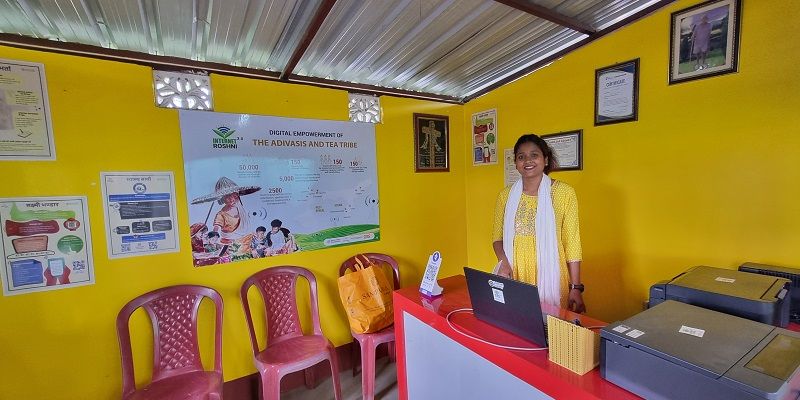
The hum of a diesel generator, the scent of fresh earth, and the rhythmic clack of a keyboard. This isn’t the typical soundscape of a bustling tech park in Bangalore or a co-working space in Gurugram. Instead, it’s the vibrant reality in a small community center in rural Maharashtra, where a young woman named Kavita is helping a farmer access crucial weather data, while simultaneously assisting a local artisan in setting up an online storefront. This is the frontline of India’s digital revolution, powered not just by fiber optics and smartphones, but by a new breed of entrepreneur: the rural infopreneur.
As we mark World Telecommunications and Information Society Day on May 17, 2026, the conversation often centers on the grand narratives of 5G rollout and satellite internet. Yet, the real story of digital inclusion in India is often found in these quieter, more localized efforts. It’s about bridging the “last-mile” gap, not just in infrastructure, but in understanding, trust, and practical application. These infopreneurs, often operating out of modest village centers, are becoming indispensable conduits, transforming abstract digital promises into tangible solutions for everyday challenges.
The Unseen Architects of Digital Equity: Who are These Infopreneurs?
In the vast and varied landscape of rural India, the term “infopreneur” is rapidly gaining currency. These are not merely internet cafe owners of old, nor are they just government-appointed common service center operators. Infopreneurs are a hybrid breed: they leverage digital tools and information to create micro-enterprises, serving as vital intermediaries between the digital world and communities that are often still navigating its complexities. They might offer services ranging from digital literacy training and government scheme application assistance to e-commerce facilitation and even basic photography for online profiles.
What makes them unique is their deep understanding of local context. They speak the language, understand the customs, and, most importantly, grasp the specific pain points of their neighbors. This localized empathy is crucial. For someone in a remote village, the internet isn’t just a global network; it’s a tool to check mandi prices, to connect with a distant relative, or to learn about a new agricultural technique. An infopreneur translates the vastness of the digital realm into actionable, relevant information.
From Access to Action: The Daily Grind of Digital Bridging
The journey of an infopreneur often begins with a personal realization of the digital divide. Take Rajesh, a 28-year-old from a village near Jaipur, who initially struggled to find information about government loans for his father’s small business. His frustration led him to learn basic computer skills, and soon, he was helping others. Today, his small center, equipped with two computers and a reliable internet connection (often a challenge in itself), is a hub of activity. He charges a nominal fee for services like online form filling, printing, and even basic digital marketing advice for local shopkeepers.
Rajesh’s story is replicated across the country. These infopreneurs are often early adopters within their communities, self-taught or having received basic training through NGOs or government programs. Their business models are lean and agile, adapting to immediate community needs. One day, they might be helping a student apply for an online scholarship; the next, they could be assisting a women’s self-help group in setting up a WhatsApp business account to sell their handicrafts.
The challenges they face are formidable. Erratic power supply, patchy internet connectivity, and a lack of digital literacy among their clientele are everyday realities. Yet, their resilience is a testament to the powerful demand for these services. They are not just providing access; they are fostering digital empowerment, one transaction, one training session at a time.
The Ecosystem’s Role: Nurturing Grassroots Innovation
The rise of the infopreneur highlights a critical shift in how we think about digital inclusion. It’s no longer just about infrastructure deployment, but about human infrastructure. This is where India’s vibrant startup ecosystem and government initiatives are playing an increasingly crucial role, often in ways that are quietly revolutionary.
Incubators and accelerators, traditionally focused on tech-heavy urban startups, are beginning to recognize the potential of these grassroots entrepreneurs. Programs like those run by CIIE.CO (Centre for Innovation Incubation and Entrepreneurship at IIM Ahmedabad) or even regional hubs like T-Hub in Hyderabad are exploring models to support these micro-enterprises. This support isn’t always about large funding rounds; it’s often about providing affordable technology solutions, business model mentorship, and access to networks.
Government initiatives, too, are pivotal. The DPIIT (Department for Promotion of Industry and Internal Trade) Startup India program, while primarily aimed at larger tech ventures, has seen an increasing number of applications from startups focused on rural digital services. Furthermore, the expansion of Common Service Centres (CSCs) under the Ministry of Electronics and Information Technology, while a different model, validates the fundamental need for localized digital facilitators. The infopreneurs we’re seeing emerge are often taking the spirit of these CSCs and injecting it with entrepreneurial drive and localized innovation, going beyond prescribed services to meet bespoke community needs.
What’s truly exciting is the emergence of platforms designed specifically to empower these infopreneurs. Some agritech startups, for instance, are partnering with village-level operators to provide farmers with localized weather forecasts, soil health reports, and market price updates. Fintech solutions are enabling these infopreneurs to act as agents for digital payments, micro-loans, and insurance products, bringing financial inclusion to areas traditionally underserved by formal banking channels. This symbiotic relationship between urban tech innovation and rural entrepreneurial spirit is a powerful force.
The Human Element: Building Trust in a Digital World
In a society where personal relationships and trust hold immense value, the infopreneur’s role extends far beyond technical assistance. They become trusted advisors, educators, and community anchors. For an elderly villager wary of online transactions, an infopreneur’s patient explanation and hands-on guidance can be the difference between engaging with the digital economy and being left behind.
Consider the story of Meena, who runs a digital center in a remote village in Odisha. She noticed that many women in her community, despite having smartphones, were hesitant to use them for anything beyond calls. Meena started organizing informal “digital chai” sessions, where she would teach them how to use WhatsApp for video calls with relatives, access government health information, or even explore simple educational apps for their children. Her approach is rooted in understanding the cultural nuances and overcoming inherent hesitations, something a top-down digital literacy program might struggle with.
This human-centered approach is the infopreneur’s secret sauce. It’s not just about providing a service; it’s about building capacity and confidence within the community. This organic growth of digital literacy, facilitated by trusted local figures, is far more sustainable and impactful than any large-scale, impersonal initiative.
The Road Ahead: Scaling Impact, Sustaining Growth
While the impact of rural infopreneurs is undeniable, challenges remain in scaling their efforts and ensuring their long-term sustainability. The key lies in creating an enabling ecosystem that provides not just initial training, but also ongoing support, access to capital, and opportunities for skill upgrades.
- Technology Access: Ensuring reliable and affordable internet connectivity, along with access to robust, low-cost hardware, remains paramount. Initiatives like BharatNet are crucial, but the last-mile delivery and maintenance often fall to local operators.
- Business Model Innovation: Infopreneurs need access to diverse revenue streams. This could involve partnerships with fintech companies, e-commerce platforms, or even government agencies for delivering citizen services.
- Skill Development: Continuous training on new digital tools, cybersecurity best practices, and evolving market trends will be essential for infopreneurs to remain relevant and competitive.
- Community Networks: Fostering networks of infopreneurs can facilitate knowledge sharing, peer support, and collective bargaining power, amplifying their impact.
The story of India’s digital transformation is often told through the lens of its urban tech giants and unicorn startups. But beneath the glittering surface of venture capital deals and IPOs, a quieter, yet equally profound, revolution is unfolding. It’s happening in the villages and small towns, driven by individuals like Kavita, Rajesh, and Meena – the rural infopreneurs who are not just bridging digital gaps but actively shaping India’s digital future, one empowered citizen at a time. Their work is a powerful reminder that true innovation often arises from a deep understanding of human need, coupled with an unwavering commitment to solve problems at the grassroots level. As India marches towards a truly digital economy, these unsung heroes will undoubtedly be among its most critical architects.