The digital tapestry of India is vast and vibrant, yet threads remain untangled, especially in its deepest rural pockets. While we celebrate milestones like International Museum Day and World Telecommunications and Information Society Day this week, it’s easy to get lost in the grandeur of global dialogues. But for a specific breed of Indian entrepreneur, these days are less about commemoration and more about the daily grind of bridging real-world divides. These are the ‘infopreneurs’ – individuals who are not just selling connectivity, but crafting access, understanding, and empowerment, one village at a time.
Their story isn’t about venture capital rounds or unicorn valuations, at least not yet. It’s about the quiet revolution unfolding in community centers and local hubs, where a smartphone becomes a gateway to government schemes, a digital camera captures local heritage, and an internet connection opens up a world of information. They are the unsung heroes of India’s digital inclusion journey, leveraging technology not just for profit, but for profound social impact.
The Disconnect: Why Digital India Still Needs Human Bridges
On May 17, as the world observes World Telecommunications and Information Society Day (WTISD), the focus is rightly on the evolution of telecommunications from basic voice networks to critical digital lifelines. India has seen an exponential surge in internet penetration and mobile adoption, transforming how millions live, work, and connect. Yet, as the DPIIT and Startup India initiatives consistently highlight, the fruits of this digital era remain unevenly distributed. Gaps persist across geographies, sectors, languages, genders, and income brackets. It’s not just about having a phone; it’s about having the knowledge and resources to effectively use it.
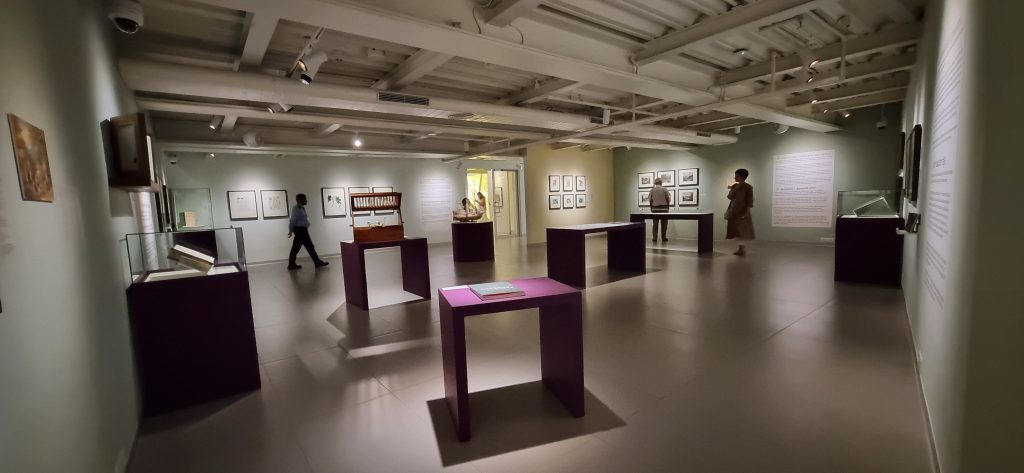
Consider the Museum of Art and Photography (MAP) in Bengaluru, which, in honour of International Museum Day on May 18, is celebrating its unique approach to cultural exchange and shared understanding. MAP’s director has often spoken about how museums can act as bridges across cultural and social divides, a sentiment echoed in this year’s theme, “Museums Uniting a Divided World.” They launch digital campaigns, offer exclusive tours, and leverage social media to engage a wider audience. This is a fantastic example of digital access to cultural heritage, but what about those who can’t physically visit, or even access these digital platforms?
This is precisely where the infopreneurs step in. They understand that for many in rural India, the challenge isn’t just about a lack of broadband infrastructure, but also a lack of digital literacy, a scarcity of relevant content in local languages, and a deep-seated distrust of unfamiliar technologies. They don’t just provide a service; they provide trust, guidance, and a human touch that algorithms simply cannot replicate.
More Than Wi-Fi: The Infopreneur’s Toolkit for Empowerment
Imagine a small community center in rural Rajasthan, far from the bustling tech hubs of Bengaluru or Hyderabad. Here, a young entrepreneur, perhaps a college graduate who returned to their roots, runs a small kiosk. This isn’t just a cyber café. It’s a hub for digital transformation. They might help a farmer access market prices for their produce, or assist a woman in applying for a government micro-loan. They could be teaching children basic computer skills or helping local artisans showcase their crafts online.
These infopreneurs are often the first point of contact for digital services. Their toolkit extends beyond just providing an internet connection. It includes:
- Digital Literacy Training: From basic smartphone usage to navigating government portals, they demystify technology.
- Content Localisation: Translating complex information into local dialects and creating culturally relevant digital content.
- Access to Government Schemes: Helping villagers understand and apply for various welfare programs, often overcoming bureaucratic hurdles.
- Market Linkages: Connecting local producers and artisans to wider markets through e-commerce platforms or social media.
- Health and Education Information: Providing reliable digital resources on health awareness, educational opportunities, and skill development.
- Documentation and Archiving: Using digital photography and videography to document local history, traditions, and cultural practices, creating a digital heritage for future generations.
Their role is akin to the early days of community radio, but for the digital age. They are facilitators, educators, and trusted advisors, often operating on razor-thin margins, driven by a deep understanding of their community’s pain points. Their success isn’t measured solely in revenue, but in the number of lives they touch, the digital gaps they close, and the empowerment they foster.
Incubators, Accelerators, and the Untapped Potential
While the focus of incubators like T-Hub, CIIE, and 91Springboard often leans towards scalable tech products and services, there’s a growing recognition of the need to support these grassroots digital initiatives. Organizations like NASSCOM and Startup India are increasingly looking at how to formalize and scale these “infopreneurship” models. The challenge lies in creating sustainable business models that can attract funding and mentorship, without losing their core community-centric ethos.
Programs aimed at fostering rural entrepreneurship, often supported by government initiatives under DPIIT, could play a crucial role. Imagine a specialized accelerator track for infopreneurs, providing them with training in business management, digital marketing, and sustainable community engagement. Mentorship from seasoned entrepreneurs who understand the nuances of the Indian rural market would be invaluable. This isn’t just about providing capital; it’s about providing the knowledge and networks to scale their impact effectively.
The success of these models also holds implications for broader policy. As India moves towards a more digitally inclusive future, understanding how infopreneurs succeed in bridging the last mile can inform government strategies for digital infrastructure, content development, and citizen services. Their on-the-ground insights are a goldmine for policymakers striving for equitable growth.
The Human Element: Stories Beyond the Statistics
What truly sets these infopreneurs apart is their profound connection to the communities they serve. They aren’t just selling a service; they are selling a vision of a more connected, informed, and empowered future. I’ve personally seen how a young woman in a small village in Odisha, after learning basic digital skills from an infopreneur, started an online store for local handicrafts, creating livelihoods for dozens of other women. Or the story of a retired teacher in Uttar Pradesh who, with the help of an infopreneur, created a digital archive of local folk tales, ensuring that his village’s oral history wouldn’t be lost.
These aren’t isolated incidents. They are quiet triumphs that collectively contribute to a larger narrative of digital transformation. They remind us that technology, at its best, is a tool for human connection and empowerment. It’s about leveraging the power of the internet to preserve cultural heritage, to provide access to education, and to create economic opportunities where none existed before.
As we reflect on the role of museums in uniting a divided world and the power of telecommunications to foster inclusion, it’s clear that the ‘infopreneur’ represents a unique blend of both. They are the living bridges, connecting the digital future with India’s rich cultural past and its diverse present. Their work, often overlooked in the grand narratives of the startup ecosystem, is fundamental to building a truly inclusive Digital India.
The journey is long, and challenges remain – from infrastructure limitations to sustaining financial viability. But the dedication of these infopreneurs, armed with smartphones, cameras, and an unwavering commitment to their communities, offers a powerful testament to the entrepreneurial spirit that thrives in every corner of India. They are not just closing digital gaps; they are weaving a stronger, more vibrant social fabric, one pixel, one conversation, one empowered citizen at a time.