India’s Prime Minister Narendra Modi has recently amplified calls for austerity, initiating a series of policy adjustments and public appeals aimed at influencing the financial behavior of Indian consumers, companies, and farmers. This pivot towards fiscal prudence, articulated through various nudges and direct policy changes over the past week, is primarily designed to curtail India’s reliance on imports, particularly for critical commodities like oil, petroleum products, gold, and fertilizers. While the immediate focus appears to be on macroeconomic stability and reducing the current account deficit, the ripple effects of such a significant governmental directive will undoubtedly be felt across all sectors, including the country’s burgeoning startup and technology ecosystem.
At first glance, a call for austerity might seem far removed from the dynamic world of venture capital, rapid scaling, and technological innovation. However, the Indian startup landscape operates within a broader economic framework, heavily influenced by government policy, consumer spending patterns, and global economic currents. A deliberate move to tighten the nation’s purse strings, even if primarily targeting specific import categories, signals a larger shift in governmental priorities that founders, investors, and tech leaders cannot afford to ignore.
The Core of the Austerity Drive: Reducing Import Dependency
The Prime Minister’s recent pronouncements, which include seven distinct suggestions for the public, are a direct response to a confluence of global and domestic economic pressures. A significant factor is the ongoing war in West Asia, which has exerted upward pressure on global commodity prices, particularly crude oil. India, as a major net importer of oil, is acutely vulnerable to such fluctuations. Reducing oil imports directly translates to saving precious foreign exchange, thereby strengthening the rupee and insulating the economy from external shocks.
Beyond oil, the government is also targeting gold and fertilizer imports. Gold, often seen as a safe-haven asset, is a significant non-essential import that contributes to the trade deficit. Fertilizers, while essential for agriculture, represent another area where import substitution and domestic production are being prioritized. For businesses, especially those in manufacturing and logistics, this implies a potential re-evaluation of supply chains and a renewed emphasis on local sourcing. The underlying message is clear: self-reliance (Atmanirbhar Bharat) is not just a slogan, but an active policy directive, gaining renewed urgency in the face of global instability.
Immediate Implications for Startups and Tech Companies
While the direct impact of reducing oil or gold imports on a SaaS startup might not be immediately obvious, the indirect consequences are manifold and will necessitate strategic adjustments across the board. The government’s austerity push signals a potential shift in the availability and allocation of capital, consumer spending habits, and the overall regulatory environment.
Impact on Funding and Investment Climate
A broader governmental push for austerity often leads to a more cautious approach to public spending and, by extension, can influence the private investment landscape. While the government has consistently championed the startup ecosystem with initiatives like Startup India and the Fund of Funds for Startups, a general atmosphere of fiscal conservatism could subtly alter investor sentiment. Venture capitalists and angel investors might become more selective, prioritizing startups with clear paths to profitability and sustainable business models over those focused solely on rapid growth at all costs.
Startups heavily reliant on discretionary consumer spending, such as those in the direct-to-consumer (D2C) e-commerce, entertainment, or travel technology sectors, might experience a slowdown in demand if consumers adopt more frugal habits in response to the Prime Minister’s calls. Conversely, companies offering solutions that help businesses or individuals save money, improve efficiency, or substitute imports could find themselves in a more favorable position. This could spur innovation in areas like sustainable technology, supply chain optimization, and deep tech solutions that reduce operational costs.
Regulatory Scrutiny and Compliance
In an austerity-driven environment, governments often tighten regulatory oversight to ensure efficient resource utilization and minimize financial leakages. For startups, this could translate into increased scrutiny on compliance, particularly around taxation (including angel tax, ESOP rules, and GST), and financial reporting. While India’s regulatory bodies like DPIIT, MeitY, RBI, and SEBI have been progressively streamlining processes for startups, a broader austerity drive might lead to a more stringent interpretation and enforcement of existing rules.
For instance, changes to GST regulations or stricter interpretations of angel tax provisions could impact a startup’s working capital or valuation. Startups must ensure their financial practices are impeccable and their compliance frameworks are robust. This is not to suggest a punitive environment, but rather one where transparency and adherence to regulations become even more paramount. Companies in the fintech sector, already under the close watch of the RBI, might see renewed emphasis on risk management and financial stability as part of this broader push.
Government Schemes and Incentives: A Double-Edged Sword?
The government has been a strong proponent of manufacturing and technology through schemes like the Production-Linked Incentive (PLI) scheme. While the austerity drive aims to reduce imports, it also inherently encourages domestic production. This could be a boon for hardware startups, electronics manufacturers, and companies involved in advanced materials or clean energy technologies that align with India’s self-reliance goals. The PLI scheme, designed to boost local manufacturing, might see renewed focus and funding, creating significant opportunities for eligible startups.
However, the allocation of funds for these schemes might also come under closer scrutiny. Startups applying for DPIIT recognition or seeking benefits under various government programs should be prepared for more rigorous evaluations, with an emphasis on tangible economic impact, job creation, and contribution to import substitution. The narrative for securing government support will likely shift further towards demonstrating clear alignment with national economic objectives.
The Broader Economic and Political Context
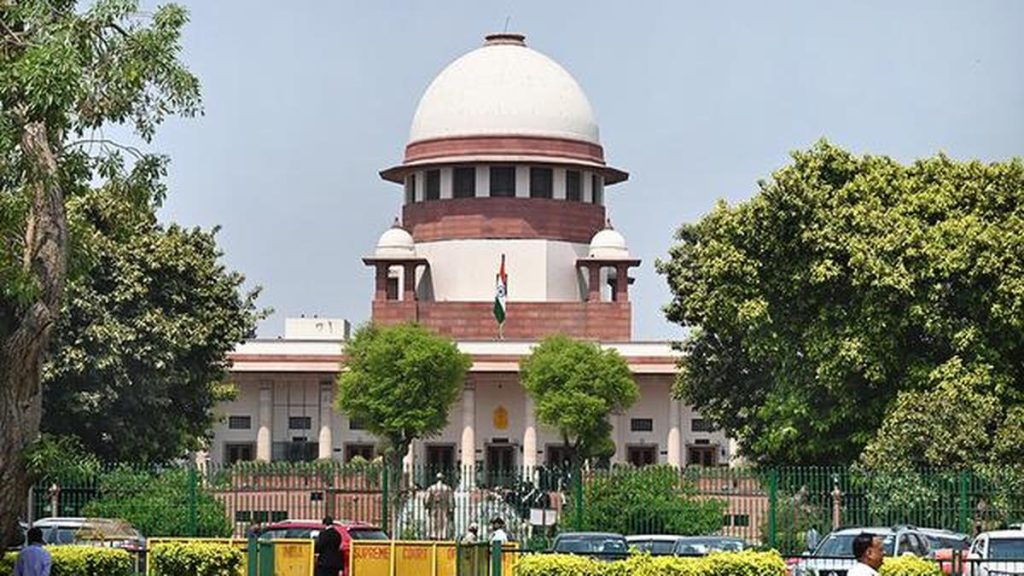
The Prime Minister’s call for austerity is not an isolated event. It must be viewed within the larger political and economic currents shaping India. The rising strength of the Supreme Court, with President Murmu’s approval on May 17, 2026, to increase judge strength from 34 to 38 (excluding the Chief Justice of India), reflects an ongoing effort to address judicial pendency. While seemingly unrelated, a more efficient judiciary can contribute to a more stable business environment by expediting commercial disputes, an issue often cited by businesses as a hurdle.
Similarly, state-level political developments, such as the recent portfolio allocations in Tamil Nadu under Chief Minister C. Joseph Vijay, with S. Keerthana taking charge of Industries, can create localized opportunities or challenges. While national policy sets the overarching tone, state governments play a crucial role in implementing policies and attracting investment. Startups considering expansion or setting up operations in specific states should keep a close watch on these local political dynamics and ministerial appointments, as they can significantly impact ease of doing business and access to state-specific incentives.
Even discussions around foreign policy, like the RSS’s recent call for dialogue with Pakistan, signal a broader geopolitical context that can influence trade relations, investor confidence, and regional stability. While these are indirect influences, a more stable geopolitical environment can create a more predictable and attractive market for investments, benefiting startups in the long run.
Navigating the Austerity Landscape: A Startup Playbook
For Indian startups, the Prime Minister’s austerity push presents both challenges and opportunities. Those who can adapt swiftly and strategically will be best positioned to thrive:
- Focus on Value and Efficiency: Develop products and services that help customers (both B2B and B2C) save money, increase efficiency, or optimize resources. Solutions in areas like energy efficiency, waste reduction, operational analytics, and cost management will likely see increased demand.
- Strengthen Financial Prudence: Adopt a disciplined approach to spending. Extend runway, focus on unit economics, and prioritize profitability. Investors will be looking for lean operations and sustainable growth.
- Localize and Diversify Supply Chains: Re-evaluate reliance on imports for components, software, or services. Explore domestic alternatives and build resilient, localized supply chains. This aligns directly with the government’s Atmanirbhar Bharat vision.
- Prioritize Compliance: Ensure all regulatory and tax compliances are meticulously managed. Proactive engagement with regulatory changes from DPIIT, MeitY, RBI, SEBI, and TRAI will be critical.
- Align with National Priorities: Identify opportunities within government initiatives related to domestic manufacturing, green energy, digital infrastructure, and rural development. Tailor pitches and business models to align with these broader national goals.
Conclusion: An Evolution, Not a Revolution
The Prime Minister’s advocacy for austerity is not a sudden reversal of India’s pro-growth agenda, but rather an evolution in approach, necessitated by global economic headwinds and a desire for greater self-reliance. For the startup and tech ecosystem, this means a shift in emphasis. The era of growth at any cost might give way to a period where sustainable, profitable growth, coupled with a strong focus on domestic value creation and efficiency, becomes the hallmark of success.
Founders who understand these underlying currents, adapt their strategies, and align their innovations with the nation’s evolving economic priorities will find themselves well-positioned to navigate this new landscape. It’s a call to be more resourceful, more resilient, and ultimately, more deeply integrated into India’s economic fabric. The Indian startup story is far from over; it’s simply entering a new, perhaps more mature, chapter.