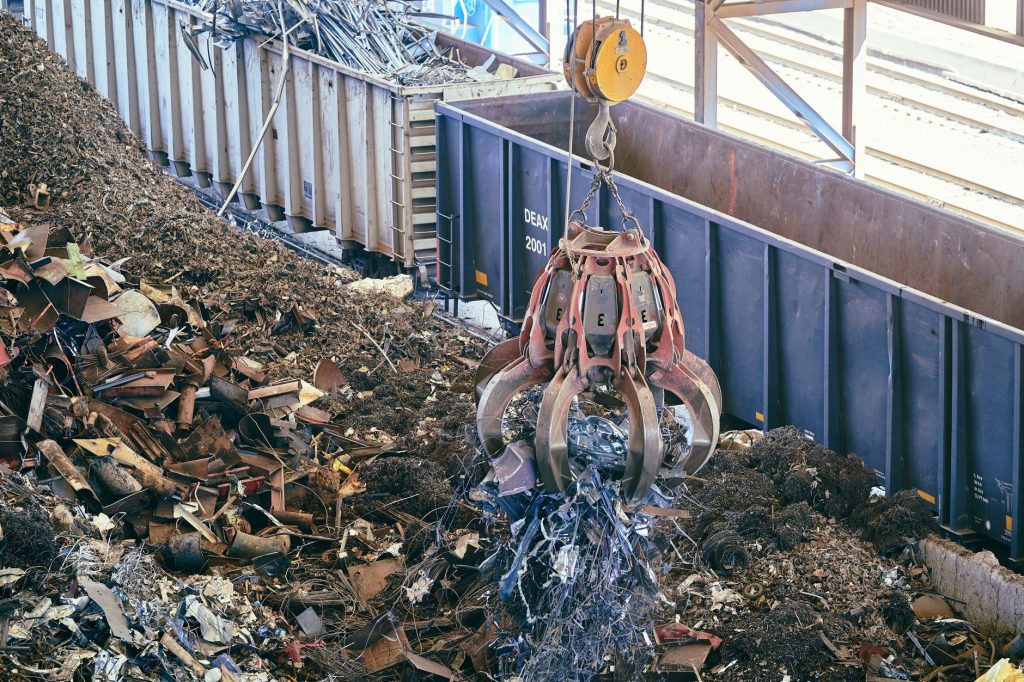
In the bustling innovation hubs of Bengaluru, a quiet revolution is taking shape, one spent lithium-ion battery at a time. India stands at a fascinating crossroads: a rapidly accelerating adoption of electric vehicles and renewable energy storage systems, which creates an insatiable demand for critical metals like lithium, cobalt, and nickel. Yet, paradoxically, the very batteries powering this transition eventually become a growing mountain of waste. This is where Metastable Materials steps in, with a vision that challenges conventional notions of waste and resource, turning what many see as a problem into a profound opportunity for national self-reliance and environmental sustainability.
At its core, Metastable Materials operates on a strikingly simple, yet deeply disruptive idea: India’s burgeoning volume of spent batteries isn’t waste to be merely processed or disposed of, but a valuable new form of “ore” waiting to be refined. It’s a profound shift in perspective, one that could redefine India’s approach to critical mineral security and circular economy principles.
The Genesis of a Green Vision: From IIT Classrooms to Industrial Refineries
The story of Metastable Materials begins not in a corporate boardroom, but in the academic halls of IIT Roorkee, where co-founders Shubham Vishvakarma and Manikumar Uppala first crossed paths and began to tinker with the very chemistry that now underpins their venture. This foundational understanding, nurtured during their college days, was the seed for what would later become a full-fledged industrial process.
Their journey wasn’t a direct leap from campus to startup. Both founders honed their skills and deepened their material science expertise in the corporate world. Uppala, armed with a background in mechanical and materials engineering, delved further into machine design and manufacturing at NBC Bearings, a part of the esteemed CK Birla Group. Vishvakarma, too, contributed his talents to the advanced materials division of the same company. This period of practical, industrial experience was invaluable, allowing them to translate theoretical knowledge into tangible, scalable solutions. It imbued them with an understanding of industrial processes, quality control, and the rigorous demands of manufacturing, all crucial for a deep tech startup operating in the physical world.
By October 2021, armed with their patented chemistry and a clear vision, they founded Metastable Materials in Bengaluru, a city synonymous with technological innovation. Their mission was ambitious: to tackle India’s impending battery waste crisis head-on, not as waste managers, but as modern-day refiners of a new kind of urban ore.
India’s Critical Metal Conundrum: A Nation’s Dependence and a Growing Waste Stream
To truly appreciate the significance of Metastable Materials’ work, one must understand the dual challenge India faces. On one hand, the nation imports nearly all the critical metals essential for manufacturing lithium-ion batteries. This reliance on global supply chains makes India vulnerable to geopolitical fluctuations, price volatility, and supply disruptions. As India pushes aggressively towards electrification in transport and energy storage, this import dependence is a significant strategic bottleneck.
On the other hand, the very growth in battery usage creates a rapidly expanding problem: what to do with spent lithium-ion batteries. These batteries, while powerful, contain hazardous materials that pose environmental risks if not handled properly. Moreover, simply discarding them means burying or burning valuable resources that are increasingly scarce and expensive on the global market. The volume of these spent batteries is only set to increase exponentially in the coming years, creating a ticking environmental and economic time bomb.
Metastable Materials saw this dual challenge not as an insurmountable hurdle, but as a perfectly aligned opportunity. The “waste” batteries contain precisely the metals that India needs to import. By closing this loop, the company addresses both resource security and environmental stewardship simultaneously. It’s a classic example of a startup identifying an India-specific pain point and developing an indigenous solution that delivers multi-faceted benefits.
The Alchemy of Modern Refining: How Metastable Extracts Value
The process at Metastable Materials’ Bengaluru refinery is a testament to sophisticated chemical engineering and material science. It begins with the collection of spent lithium-ion batteries. These aren’t just tossed into a shredder. The first crucial step involves careful dismantling, a labor-intensive but necessary stage to separate different battery components and ensure safety.
Once dismantled, the real alchemy begins. Through their proprietary chemical processes, Metastable extracts high-purity metals: lithium, cobalt, nickel, copper, and aluminium. These aren’t simply recovered materials, but refined commodity metals ready to be reintroduced into the manufacturing supply chain. This distinction is critical. They aren’t just recycling for environmental benefit, but creating valuable, market-ready raw materials that can directly substitute imported virgin metals.
This focus on producing high-purity metals is what positions Metastable as a sustainable raw materials provider, rather than just a waste management firm. It allows them to play a direct role in India’s journey towards building a robust domestic supply chain for battery manufacturing, from cell components to final assembly.
Deep Tech, Deep Impact: Strengthening India’s Circular Economy and Self-Reliance
Metastable Materials embodies the kind of deep tech innovation that the Indian startup ecosystem is increasingly championing. Building a venture around complex material science and chemical processes requires significant R&D, patient capital, and a long-term vision. It’s not a quick-win consumer internet play, but a foundational industry that can have ripple effects across multiple sectors.
The implications for India are vast. By recovering critical metals domestically, Metastable contributes directly to reducing the nation’s import bill for these strategic resources. This aligns perfectly with government initiatives like Startup India and the broader push for ‘Atmanirbhar Bharat’ (self-reliant India), emphasizing indigenous innovation and manufacturing capabilities. Furthermore, their work establishes a crucial pillar for a truly circular economy in India, where resources are kept in use for as long as possible, extracting maximum value before being regenerated. This not only minimizes waste but also reduces the environmental footprint associated with mining new raw materials.
The challenges for such a venture are, of course, significant. Scaling deep tech manufacturing requires substantial infrastructure, adherence to stringent environmental regulations, and continuous innovation to maintain cost-effectiveness and process efficiency. However, the foundational work done by Shubham and Manikumar, rooted in their academic rigor and industrial experience, provides a strong platform for growth.
Looking Ahead: A Future Forged in Recycled Metals
As India’s electric vehicle market continues its exponential growth trajectory, fueled by supportive government policies and increasing consumer adoption, the demand for lithium-ion batteries, and consequently, the critical metals within them, will only intensify. Companies like Metastable Materials are not just solving a problem of today, but proactively building the infrastructure for tomorrow’s sustainable industrial landscape.
Their work highlights a powerful narrative that extends beyond mere business acumen: it’s about seeing value where others see waste, applying scientific rigor to societal challenges, and building a future where India’s industrial growth is decoupled from unsustainable resource extraction. Shubham Vishvakarma and Manikumar Uppala, through Metastable Materials, are not just refining metals; they are refining India’s future, one battery at a time, paving the way for a more resilient, self-sufficient, and environmentally conscious nation. Their journey is a compelling testament to the power of entrepreneurial vision focused on genuine, impactful problem-solving for India.