A packet of instant noodles can sit in a warehouse for months and still taste fresh. Chemistry makes that possible, and for most of the packaged-food industry that chemistry has been synthetic.
In Kalamassery, Kerala, Prasan Solutions (India) Pvt. Ltd. makes the case for natural food preservatives. Founder Bonnie Baabu leads a company that sells plant-derived antioxidants, colours and antimicrobials to food brands, with a shorter label as the promise.
The science: how natural food preservatives stop rancidity
Fat spoils through a chain reaction. Heat, light and oxygen pull a hydrogen atom off a fatty acid, and the resulting free radical attacks the next molecule. An antioxidant ends the chain by handing over a hydrogen of its own. TBHQ does this synthetically. Rosemary’s phenolic compounds, notably carnosic acid, and vitamin E (tocopherol) do it from plants, and vitamin C typically helps regenerate the vitamin E. Prasan’s flagship AO17 pairs tocopherol with ascorbic acid, according to Milling MEA’s launch coverage.
The test that matters happens in the fryer. A 2016 paper in the Turkish Journal of Agriculture tested PRESOL, a Prasan rosemary extract, in palmolein used to fry noodles. The extract kept the oil more stable than TBHQ across repeated frying cycles, the noodles absorbed less oil, and colour changed least. A Prasan product was involved, so read it as company-linked research.
What natural food preservatives mean for your health
Start with the honest baseline. The US FDA and EFSA accept TBHQ at permitted limits, and Hong Kong’s Centre for Food Safety says it is safe at those levels. The health case for plant alternatives rests on narrower points.
Cleaner frying oil
Oil that oxidises produces aldehydes, which the body absorbs after eating. A 2021 review in Frontiers in Nutrition lists inflammation, atherosclerosis and mutagenic effects among the potential concerns. Most direct evidence comes from animal studies and human data remains limited. An antioxidant that slows oxidation keeps fewer of these compounds in the food, which is the clearest health argument for natural food preservatives in the fryer.
Colour and children
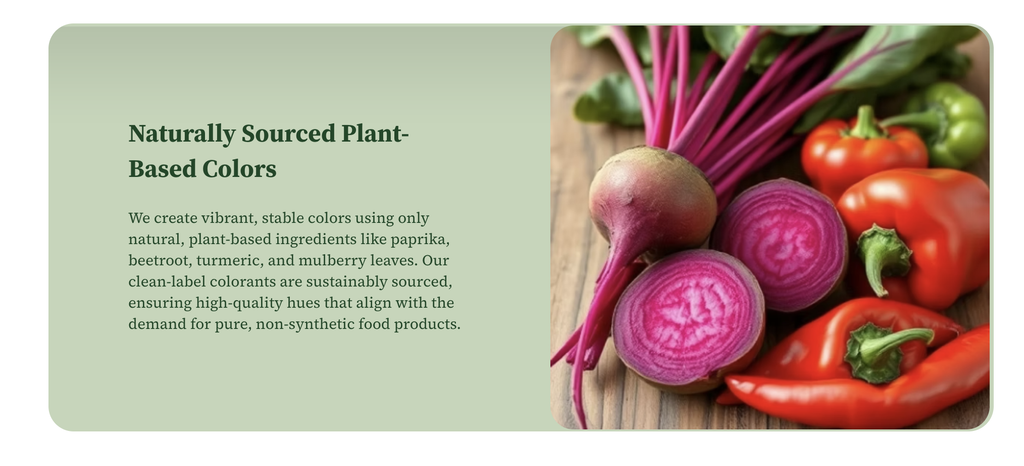
In the Southampton study, commissioned by the UK Food Standards Agency, mixes of artificial colours with sodium benzoate were linked to more hyperactivity in children, although the UK toxicology committee noted that no mechanism was found and causality was unproven. EFSA later saw no case for changing the colours’ acceptable daily intakes. Parents who would rather skip the debate get a clear option when red comes from beetroot. Its pigment, betanin, shows antioxidant activity in laboratory work, but the amount in a slice of cake is too small to count as a benefit.
Cured and ready-to-eat meat
IARC classifies processed meat as carcinogenic to humans, with colorectal cancer risk about 18% to 20% higher per 50 grams eaten daily, according to experts quoted by the Science Media Centre. Nitrite can form nitrosamines in the gut, yet it also blocks botulism. Any substitute must match that safety record, and a 2024 review in Discover Food calls plant extracts only a partially viable replacement.
Natural does not turn instant noodles into health food. Hong Kong’s regulator still points out that they are high in salt and fat.
Why the market for natural food preservatives is moving
Shoppers are voting. Products made with natural colours grew sales 24.4% in 2025 while artificial-colour products grew 0.1%, according to Agron Food Processing. Japan has not approved TBHQ at all, which matters to exporters. India’s instant noodle market was about $1.59 billion in 2025, per Mordor Intelligence. In colour, synthetics still hold 56.92% of India’s market while natural shades grow 10.86% a year, its colorant analysis shows.
What Prasan has built
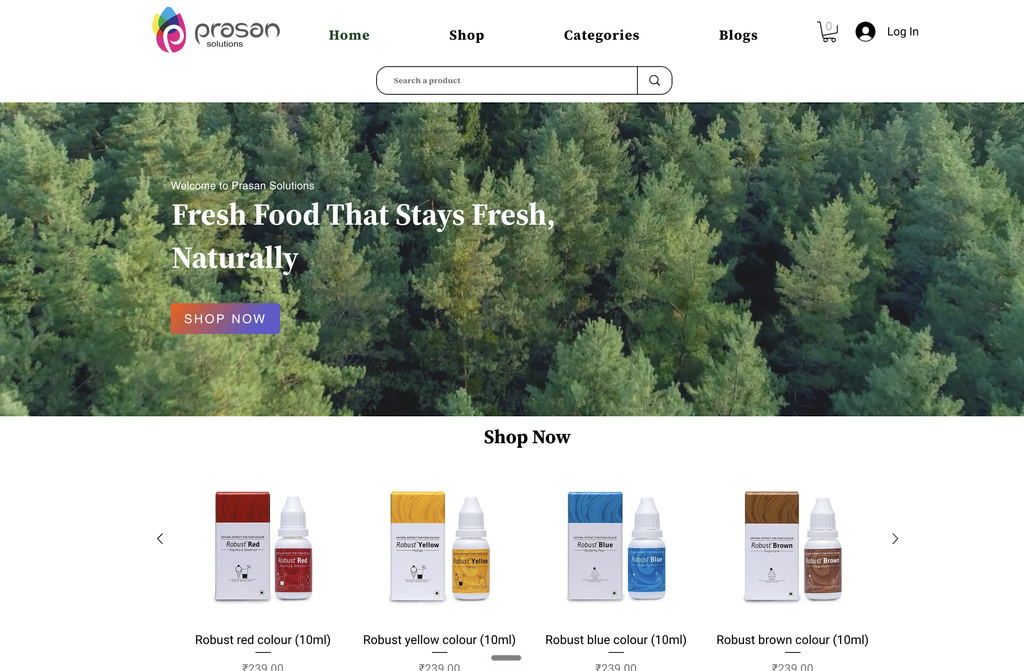
Prasan has operated since 2012, according to its PotatoPro listing, from the KINFRA Biotechnology and Industrial Zone in Kalamassery. It has grown from one antioxidant into a full range of natural food preservatives, colours, antimicrobials and paprika oleoresins, and sells 10 ml colour bottles through its website at ₹239 each. The company says exporters shipping to Europe, Japan and the US use AO17, and that plant-based antioxidants now hold about 60% of the instant noodle segment it serves. No tracker publishes that share and no customer is named, so both stay company claims until the basis is shared.
Putting a plant extract head to head with the industry’s default additive and publishing the result takes confidence, and in that frying test the extract came out ahead. For a Kerala biotech firm competing against global ingredient houses such as Sensient and Kemin, even the verified part is a real achievement.
On funding, Prasan says it has raised between $100,000 and $500,000. A round of that size reads as a working-capital and testing budget more than a scale-up, which makes independent shelf-life data the natural first use of the money.
What investors and founders should watch
Frying oil is a consumable, so a supplier of natural food preservatives whose antioxidant works earns a repeat order, and the buyer is a brand with a label problem. The risks are specific. TBHQ stays legal and cheaper, so each switch is a brand decision. Beetroot red needs heat-stable performance in baking, and nitrite replacement needs pathogen testing. Three markers matter: a named noodle or bakery customer, third-party shelf-life results, and a red velvet bake trial.
How to read the label
Look for E319 (TBHQ), E211 (sodium benzoate), E250 (sodium nitrite) and E129 (Allura Red). Natural equivalents appear as E306 to E309 (tocopherols), E392 (rosemary extract), E300 (vitamin C) and E162 (beetroot red). A label showing the second group means the brand has made the switch this story describes.
The bottom line
Prasan is betting that the next ingredient list gets shorter, and that a Kalamassery lab writes it. If its data holds up under independent testing, natural food preservatives stop being a premium claim and become the default specification for brands that buy by the tonne.
Frequently asked questions
Are natural food preservatives healthier than synthetic ones?
Regulators accept TBHQ at permitted limits. The case for natural food preservatives rests on less oxidised oil, fewer contested colours and consumer preference. Evidence for direct health gains is limited.
What does Prasan Solutions make?
Natural food preservatives in the form of plant-based antioxidants and antimicrobials, plus natural colours and oleoresins, for food manufacturers, from Kalamassery in Kerala.
Related : https://launch91.com/funding/bluehill-vc-closes-maiden-frontier-tech-fund-rs-400-cr/