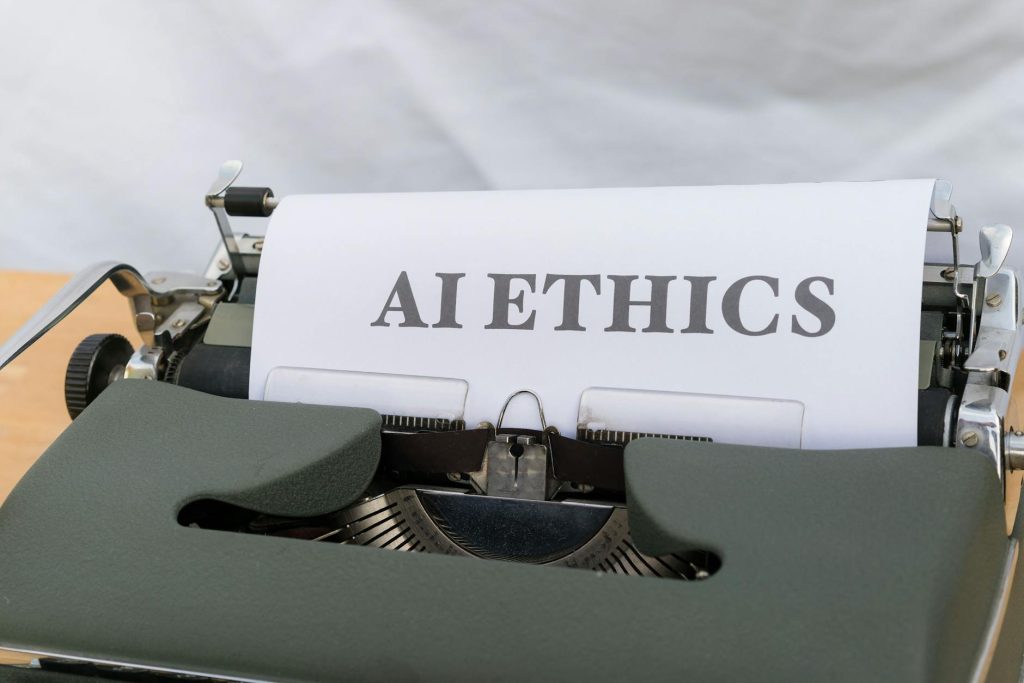
AI’s Double-Edged Sword: Innovation Surges Amidst Global Regulatory Push and Indian Market Dynamics
The Big Picture
The global technology landscape is currently defined by a palpable tension: the accelerating pace of AI innovation juxtaposed against an urgent call for robust regulation and responsible deployment. From Silicon Valley boardrooms to government ministries in New Delhi, the conversation is shifting from “what AI can do” to “how we ensure AI does good and avoids past tech industry pitfalls.” This week underscores this dichotomy, with major AI players advocating for safety legislation even as their industry drives significant job reallocations.
In India, this global narrative takes on a unique flavour. While the nation embraces digital transformation, it simultaneously grapples with the complexities of integrating new technologies into existing socio-economic frameworks. We’re seeing a pushback against unchecked digital services, demands for consumer safety, and a growing recognition of intellectual property rights in the digital age. The challenge for India lies in fostering an environment conducive to technological advancement while safeguarding its citizens and traditional sectors from potential disruption or harm.
Key Developments
-
OpenAI Champions AI Safety and Child Protection
Global AI leader OpenAI has taken a significant step by publicly endorsing bipartisan child-safety legislation, the Kids Online Safety Act (KOSA), in the US. This move signals a proactive stance by a major AI developer to position artificial intelligence as essential public infrastructure, emphasizing the need for safer default settings and increased accountability for online harms, aiming to avoid repeating social media’s past failures. Beyond child safety, OpenAI is also backing frontier AI safety bills, such as Illinois SB 315, which propose clear requirements for safety practices, transparency, and incident reporting for advanced AI systems. This commitment to responsible AI development resonates strongly in India, where the discourse around digital safety, data privacy, and the ethical use of AI is gaining momentum. (Source 1)
-
Cisco’s AI-Driven Restructuring: A Glimpse into Tech’s Evolving Workforce
Networking giant Cisco recently announced the reduction of nearly 4,000 jobs, approximately 5% of its workforce, despite reporting strong quarterly revenue. The company explicitly stated that these layoffs are part of a strategy to optimize its “cost structure” and increase investment in high-growth areas like AI and cybersecurity. This mirrors a broader trend across the tech industry where companies, even those performing well financially, are reallocating resources towards AI capabilities, often leading to workforce adjustments. For India, a major hub for global tech talent, this trend signals a critical need for continuous upskilling and adaptation among professionals to remain relevant in an AI-first economy. (Source 7)
-
India’s Chemists Strike Against AI-Generated Prescriptions and E-Pharmacies
Over 12 lakh chemist shops across India are planning a nationwide shutdown, protesting against online pharmacies that they allege accept “AI-generated fake prescriptions” for dispensing restricted drugs like antibiotics, opioids, and banned substances. The All India Organisation of Chemists and Druggists (AIOCD) has highlighted serious concerns about patient safety and the lack of robust regulatory frameworks for e-pharmacies, despite years of pleas to the government. This incident underscores the urgent need for clear policy and regulatory oversight in India, particularly as AI-powered tools become more prevalent in sensitive sectors like healthcare, to prevent misuse and ensure public well-being. (Source 5)
Trends to Watch
- **The Intensification of AI Governance and Ethics:** The push from OpenAI for AI safety legislation, coupled with concerns from Indian chemists regarding AI-generated prescriptions, highlights a global imperative for robust AI governance. Expect more legislative efforts and industry self-regulation to define ethical boundaries, transparency requirements, and accountability for AI systems.
- **Workforce Transformation and Skill Re-calibration:** Cisco’s layoffs for AI investment reflect a macro trend. Companies will continue to restructure, prioritizing AI-centric roles and skills. The Indian IT sector and its vast talent pool must proactively embrace reskilling and upskilling initiatives to navigate this evolving job market.
- **Heightened Regulatory Scrutiny on Digital Platforms in India:** Beyond the e-pharmacy debate, the Maharashtra Transport Minister’s call for shutting down unauthorized bike taxi services from Ola, Uber, and Rapido signals a growing assertiveness from Indian authorities to regulate digital platforms. This indicates that platforms operating in India must ensure full compliance with local laws and obtain necessary approvals, or face significant operational challenges. (Source 3)
- **The Value and Protection of