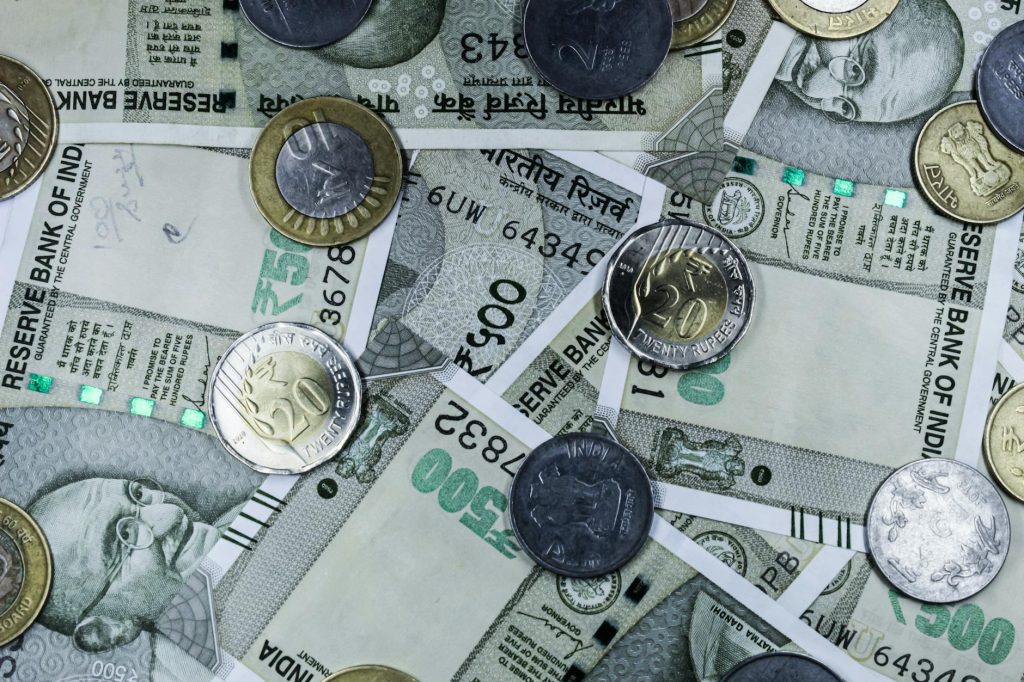
The global cryptocurrency exchange Coinbase has formally re-entered the Indian market, a move signaling a crucial pivot in its international strategy and a significant moment for India’s burgeoning yet often turbulent digital asset ecosystem. This isn’t merely a re-launch; it’s a recalibration, with the exchange now offering direct Indian Rupee (INR) trading capabilities for its users. This development marks a maturation in the regulatory dialogue surrounding digital currencies in India and underscores the persistent, undeniable demand from one of the world’s largest internet-connected populations.
For a market often characterized by regulatory uncertainty and a cautious banking sector, Coinbase’s decision to offer direct INR rails is a vote of confidence, albeit one carefully calculated. It bypasses the more convoluted peer-to-peer (P2P) trading routes that many Indian users have relied upon and integrates directly with the country’s robust payment infrastructure. This strategic shift promises to simplify the onboarding process, enhance liquidity, and, critically, improve the overall user experience for millions of potential investors and traders in India. It also sets a precedent, challenging other global and domestic players to adapt or risk being left behind in a rapidly formalizing market.
The Long Road Back: A History of Caution and Opportunity
Coinbase’s journey in India has been anything but smooth. Its initial foray encountered significant headwinds, primarily due to the Reserve Bank of India’s (RBI) historically cautious stance towards cryptocurrencies. The infamous 2018 circular, which effectively barred regulated financial entities from dealing with crypto businesses, cast a long shadow, forcing many exchanges to suspend INR services. While the Supreme Court later overturned this ban in 2020, the regulatory environment has remained a mosaic of evolving guidelines, tax frameworks, and ongoing discussions.
The re-entry with direct INR functionality demonstrates that Coinbase has found a pathway, likely through careful navigation of the current regulatory landscape and collaboration with banking partners willing to engage. This involves adherence to stringent Know Your Customer (KYC) and Anti-Money Laundering (AML) protocols, which are paramount in India’s financial regulatory framework. The integration of direct fiat-to-crypto and crypto-to-fiat ramps is a complex technical and compliance undertaking. It requires robust APIs, secure payment gateway integrations, and real-time reconciliation systems that can handle the sheer volume and velocity of transactions expected from the Indian market.
Technological Underpinnings: Bridging Traditional Finance and Digital Assets
The core technological advancement enabling this re-entry lies in the seamless integration of a global crypto exchange with India’s diverse and highly active digital payment ecosystem. India’s Unified Payments Interface (UPI), a real-time payment system developed by the National Payments Corporation of India (NPCI), has revolutionized digital transactions, pushing transaction volumes past 23 billion in May alone. While direct integration with UPI for crypto transactions remains a nuanced area, Coinbase’s direct INR rails imply a sophisticated backend that can interface with traditional banking channels, potentially leveraging IMPS, NEFT, or RTGS for larger transactions, alongside UPI for smaller, frequent transfers, within a compliant framework.
For users, this means a significantly de-risked and streamlined process. Instead of navigating P2P platforms with varying degrees of reliability and security, or resorting to complex stablecoin conversions, users can now directly deposit and withdraw INR from their linked bank accounts. This not only reduces friction but also enhances trust, a critical factor for wider adoption in a market where financial literacy around digital assets is still developing. From a technical perspective, this requires a highly scalable and secure infrastructure that can handle fluctuating transaction loads, ensure data integrity, and protect against cyber threats. Coinbase’s global expertise in these areas, backed by its institutional-grade security protocols, will be a key differentiator.
India’s Unique Position: A Paradox of Digital Prowess and Regulatory Prudence
India presents a fascinating paradox for the global digital asset industry. On one hand, it boasts an unparalleled digital public infrastructure, epitomized by Aadhaar, UPI, and the Open Network for Digital Commerce (ONDC), fostering an environment ripe for digital innovation. The rapid adoption of digital payments has created a generation of users comfortable with mobile-first financial services. On the other hand, the regulatory stance on cryptocurrencies has been characterized by caution, driven by concerns over financial stability, money laundering, and investor protection.
The government’s approach has evolved from outright skepticism to a more measured attempt at regulation, including a tax regime on digital asset transactions. This shift, however incremental, has paved the way for legitimate players like Coinbase to re-evaluate their strategies. The current landscape suggests a move towards regulated inclusion rather than outright prohibition. This is crucial for India, as it seeks to balance innovation in emerging technologies like blockchain with the need to safeguard its financial system.
The re-entry of a major global player like Coinbase suggests that the perceived regulatory risks, while still present, are becoming manageable. It hints at behind-the-scenes engagements and assurances that have made this commercial decision viable. For India, this could mean an acceleration in the development of its Web3 ecosystem, attracting more talent and investment, and fostering a more mature market for digital assets that operates within defined legal boundaries.
Competitive Landscape and the Road Ahead
Coinbase’s return will undoubtedly intensify competition within India’s digital asset exchange market. Domestic players, who have weathered years of regulatory ambiguity and built user bases through resilient P2P networks or by adapting to changing compliance requirements, now face a formidable global competitor. The challenge for these domestic exchanges will be to leverage their deeper understanding of local user preferences, faster customer support, and potentially more agile product development cycles to retain their market share.
However, the entry of a globally recognized brand like Coinbase could also serve to legitimize the asset class further, drawing in a new wave of retail and institutional investors who might have previously been hesitant. This expansion of the overall market pie could benefit all compliant players. Furthermore, Coinbase’s extensive experience in product innovation, especially around advanced trading features, staking, and institutional services, could push the entire Indian market towards higher standards of service and technological sophistication.
The implications extend beyond mere trading. A more robust and accessible fiat-to-crypto ramp is foundational for the growth of decentralized applications (dApps), non-fungible tokens (NFTs), and other Web3 innovations. If users can easily convert INR to crypto, participation in these emerging digital economies becomes far simpler. This could significantly boost India’s ambition to become a leader in the global blockchain and Web3 space, moving beyond just being a consumer of technology to a significant contributor and innovator.
Looking ahead, the success of Coinbase’s re-entry will largely depend on its ability to maintain regulatory compliance amidst a fluid environment, build strong relationships with local banking partners, and tailor its offerings to the unique needs of the Indian user base. It will also serve as a barometer for how India intends to integrate digital assets into its broader financial framework. Will other global exchanges follow suit? Will India move towards a comprehensive regulatory framework that provides clarity and fosters innovation, much like the European MiCA regulation, or will it continue with a more cautious, iterative approach?
Conclusion: A Defining Moment for India’s Digital Financial Future
Coinbase’s re-entry with direct INR trading capabilities is more than just a business expansion; it is a significant inflection point for India’s digital financial ecosystem. It signals a cautious but perceptible shift towards integrating digital assets into the formal economy, moving beyond the periphery into mainstream financial discourse. This move validates the persistent demand for digital assets in India and the country’s potential to be a global powerhouse in the Web3 space, provided the regulatory environment continues its positive, albeit measured, evolution.
The challenge now for both industry and regulators is to foster an environment that encourages innovation while ensuring financial stability and consumer protection. Coinbase’s strategic return provides a crucial test case, demonstrating that with careful planning and adherence to regulatory requirements, global digital asset platforms can successfully operate within India’s unique and dynamic financial landscape. The coming months will reveal whether this is the beginning of a new era of regulated growth for digital assets in India, or simply another chapter in a long-running saga of cautious optimism.