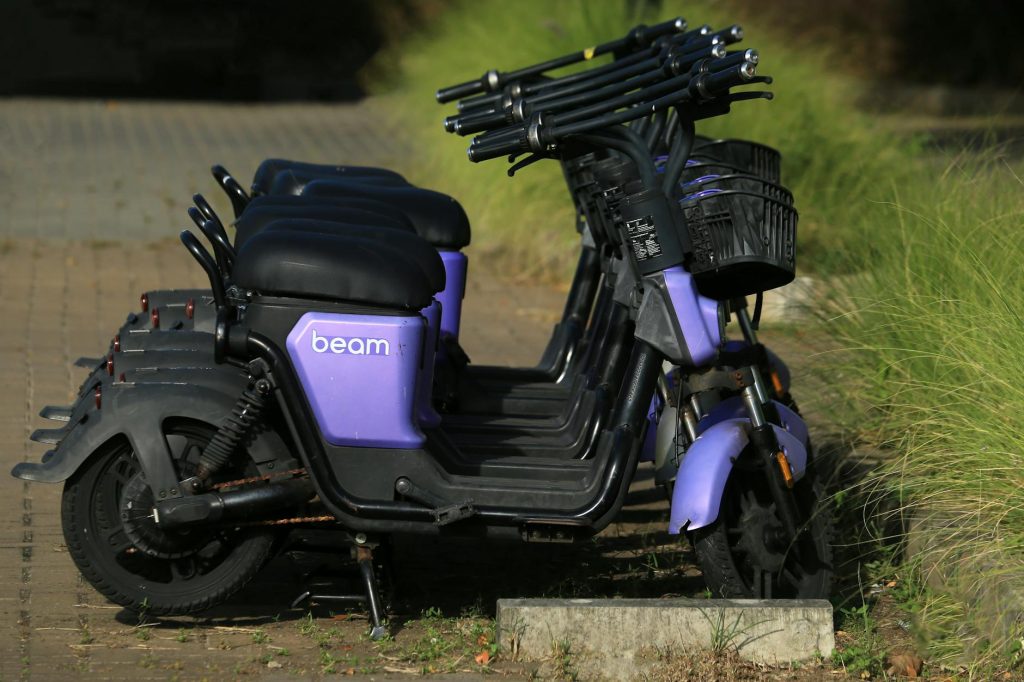
India’s electric vehicle landscape is rapidly evolving, moving beyond mere assembly to foundational engineering. A significant stride in this direction comes from Samarth E-Mobility, an Indian startup that has just unveiled a comprehensive, ground-up electric vehicle platform. This isn’t simply about launching another EV; it’s about providing the underlying architecture that could accelerate indigenous EV development across various segments, from last-mile logistics to personal mobility. The move signals a maturation of India’s EV ecosystem, shifting focus towards core technology development rather than relying solely on imported designs or licensed platforms.
The Genesis of an Indian EV Platform
Samarth E-Mobility, headquartered in Ghaziabad, Uttar Pradesh, has been operating largely under the radar, meticulously developing what it believes is a transformative solution for the Indian market. The company officially announced the completion and readiness of its proprietary EV platform on May 15, 2026, marking a pivotal moment for localized deep tech in the mobility sector. The platform, which has been under development for over three years, integrates critical components: a scalable battery management system (BMS), a modular power electronics unit, and a vehicle control unit (VCU) designed specifically for the diverse operating conditions prevalent in India.
At its core, the Samarth platform is designed for versatility. It’s not optimized for a single vehicle type but rather engineered to be adaptable across a spectrum of electric two-wheelers, three-wheelers, and even compact four-wheelers. This modularity is a critical differentiator. India’s mobility needs are fragmented, with a strong demand for cost-effective solutions in both urban and rural settings. A platform that can underpin a delivery scooter today and a small passenger vehicle tomorrow offers immense potential for OEMs looking to electrify their portfolios without incurring the prohibitive costs of developing bespoke architectures for each model.
The development process involved a multi-disciplinary team of over 70 engineers, focusing on optimizing efficiency, safety, and durability. Battery thermal management, a crucial aspect for EVs in India’s often extreme climates, has been a key area of innovation. Samarth E-Mobility claims its BMS includes advanced algorithms for predictive thermal management and cell balancing, which could significantly extend battery life and prevent thermal runaway incidents. This is a direct response to some of the safety concerns that have plagued early EV adoption in India.
Technical Nuances and Strategic Advantages
Digging deeper into the technical specifications, the platform supports various battery chemistries, though it has been initially optimized for Lithium Iron Phosphate (LFP) cells, known for their stability and lower cost. This choice is strategic, aligning with India’s focus on affordability and safety. The power electronics unit, which includes the inverter and DC-DC converter, is designed for high efficiency, achieving over 95% conversion efficiency in initial tests. This directly translates to better range and reduced energy consumption, a vital factor for commercial fleet operators and daily commuters alike.
The vehicle control unit (VCU) is perhaps the brain of the entire system. Samarth’s VCU features an ARM-based microcontroller, enabling real-time processing of sensor data and precise control over the motor, battery, and other subsystems. It also incorporates over-the-air (OTA) update capabilities, allowing for software enhancements and bug fixes without requiring physical visits to service centers. This is not just a convenience feature; it’s a critical enabler for continuous improvement and adaptation to evolving regulatory standards or user feedback.
One of the most compelling aspects of this platform is its potential to democratize EV manufacturing in India. Smaller OEMs, who previously lacked the capital and expertise to develop an EV from scratch, can now leverage a proven, integrated solution. This significantly lowers the barrier to entry, fostering competition and accelerating the pace of innovation. Instead of reinventing the wheel, these manufacturers can focus on design, branding, and specific market niches, effectively leveraging Samarth E-Mobility as a technology backbone.
The Broader Mobility Ecosystem: Intersections and Dependencies
Samarth E-Mobility’s breakthrough doesn’t exist in a vacuum; it’s intrinsically linked to the broader evolution of India’s mobility ecosystem. The government’s FAME II scheme and various state-level subsidies have already created a fertile ground for EV adoption. However, for sustained growth, a robust supply chain and a localized technology stack are imperative.
Consider the manufacturing challenges. India’s semiconductor mission, while still in its nascent stages, aims to build domestic capabilities in chip fabrication and design. While Samarth’s current VCU likely uses imported semiconductor components, the long-term vision for such platforms aligns perfectly with India’s ambition to reduce reliance on global supply chains. As domestic semiconductor manufacturing matures, platforms like Samarth’s could integrate India-made chips, further enhancing the “Made in India” value proposition.
Moreover, the growth of an indigenous EV platform ecosystem will inevitably spur innovation in ancillary services. For instance, the data generated by intelligent VCUs, combined with advanced AI and machine learning, can lead to predictive maintenance, optimized routing for commercial fleets, and personalized driving experiences. This creates opportunities for AI startups and data analytics firms to build services on top of these platforms, extending their value proposition beyond hardware.
The rise of direct-to-consumer (D2C) models in India, as exemplified by companies like Dreame Technology expanding their presence, also offers an interesting parallel. While Dreame operates in consumer electronics, its successful penetration of the Indian market with a D2C approach highlights the potential for new business models. For EV manufacturers leveraging platforms like Samarth’s, a D2C strategy could allow them to maintain tighter control over customer experience and feedback, potentially accelerating product iteration and market responsiveness.
However, the journey isn’t without its hurdles. Scaling manufacturing of these platforms, ensuring consistent quality, and building a robust service network across diverse geographies will be critical. The Indian market is notoriously price-sensitive, meaning that while the technology is advanced, it must ultimately translate into an affordable end product. The regulatory environment also plays a crucial role. Harmonizing standards for charging infrastructure, battery swapping, and vehicle safety will be essential to streamline adoption and prevent market fragmentation.
Looking Ahead: India’s EV Future
Samarth E-Mobility’s platform represents a significant step towards India achieving self-reliance in the electric vehicle sector. It moves the needle from simple assembly to fundamental technology creation, a shift that is vital for long-term sustainable growth. By providing a customizable and robust foundation, the company is not just building a product; it is enabling an entire ecosystem of EV manufacturers, ranging from established players looking to diversify to nimble startups eager to enter the market.
The true impact of this platform will be measured not just by its technical prowess, but by its ability to foster a vibrant, competitive, and innovative EV manufacturing landscape in India. It could unlock a wave of new vehicle designs, business models, and service innovations, all tailored to the unique demands of the Indian consumer and commercial operator. As India continues its ambitious push towards electrification, indigenous platforms like the one developed by Samarth E-Mobility will be indispensable in shaping the future of mobility, driving both economic growth and environmental sustainability.