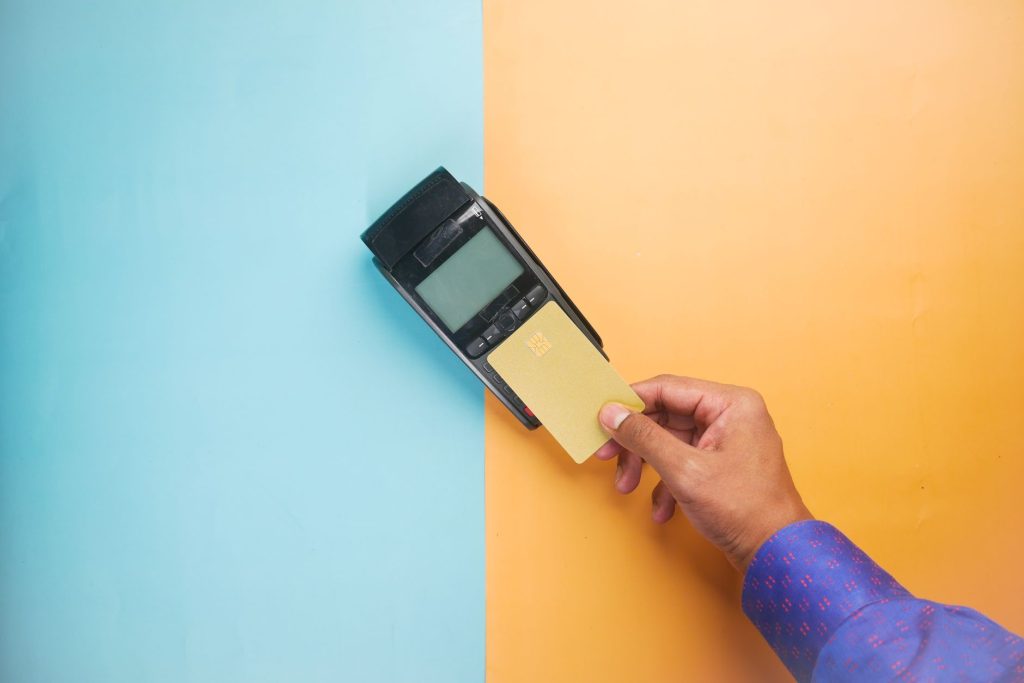
Apple Pay has officially gone live in India, allowing users to add eligible credit cards issued by Axis Bank to their Apple Wallet. This integration, which includes Mastercard, means iPhone users can now make tap-to-pay transactions and authenticate purchases online or within apps using Face ID or Touch ID. The launch, first reported by The Hindu, places Mastercard directly in India’s premium digital payments segment. Its network now works with Apple’s secure wallet technology.
This entry into a high-profile consumer payment method comes just days after a significant divestment by Mastercard in the Indian market. On September 23, 2026, Mastercard sold its entire stake in Pine Labs, a prominent point-of-sale (POS) and merchant payments company. Entrackr reported the deal value at Rs 933.5 crore, while Inc42 cited ₹934 Cr for the bulk deal. The timing of these two events—exiting a direct equity investment in local merchant infrastructure and enabling a global mobile wallet platform—shows a refined strategic direction for Mastercard in India.
Shifting Focus from Infrastructure Ownership to Network Agnosticism
Mastercard’s involvement with Pine Labs represented a direct investment in the physical and digital payment acceptance infrastructure for Indian merchants. Pine Labs offers a suite of services, including POS terminals, payment gateways, and software for various retail operations. Mastercard’s exit suggests a recalibration of its approach to the merchant acquiring space. Instead of holding equity in a company that builds and deploys these solutions, Mastercard appears to be prioritizing its role as the underlying network. This means providing the rails for transactions, regardless of the front-end payment method or the specific merchant acceptance device.
The move to support Apple Pay reinforces this network-centric strategy. Apple Pay is a digital wallet service that tokenizes card details, allowing secure transactions without exposing the actual card number. For Mastercard, participating in Apple Pay means its issued cards, when added to the wallet, gain security features and a simpler user experience. This positions Mastercard as a foundational layer for modern, secure digital payments, rather than an investor in the diverse array of payment interfaces that might use its network.
Implications for India’s Digital Payments Market
India’s digital payments market is dynamic. It sees rapid adoption of mobile payments, QR code systems, and a competitive environment with domestic solutions. For global card networks like Mastercard, adapting to this environment means balancing direct investment with broad network enablement. The divestment from Pine Labs suggests Mastercard aims to avoid direct operational entanglements in the merchant acquiring business, where margins can be tight and competition fierce.
Conversely, the Apple Pay integration allows Mastercard to capture value from high-value consumer transactions through a globally recognized, secure platform. Apple Pay is new in India. Its launch targets consumers known for higher spending and preference for premium digital experiences. By ensuring its cards are compatible with such platforms, Mastercard maintains relevance with an important consumer segment. It reinforces its card products for an economy moving to digital-first.
This sequence of events shows a focused strategy. Mastercard processes transactions securely, manages card issuance, and expands its reach through partnerships with banks and global technology platforms. By exiting a local POS provider and simultaneously embracing mobile wallet integrations, Mastercard positions itself as a global payment network. This lets it participate broadly in India’s digital economy without being tied to specific solutions or a particular part of the payment value chain. Mastercard ensures its cards remain central to a variety of digital payment options, from physical POS to mobile wallets.
Quick Facts Close
What is the latest development for Mastercard in India?
Apple Pay has gone live in India, allowing users to add eligible Axis Bank-issued Visa and Mastercard credit cards to their Apple Wallet for digital transactions.
When did Mastercard exit Pine Labs?
Mastercard sold its entire stake in Pine Labs on September 23, 2026.
How much did Mastercard receive from its Pine Labs stake sale?
Mastercard received Rs 933.5 crore from the sale of its Pine Labs stake, as reported by Entrackr.
Compiled by Launch91 Desk from the sources linked above. More about Launch91.