The Indian mobility landscape, ever-dynamic and fiercely competitive, presents a compelling paradox for electric vehicles (EVs). On one hand, government mandates and a growing environmental consciousness propel a strong push for electrification. On the other, the formidable challenges of infrastructure, unit economics, and consumer behavior have proven to be significant roadblocks for even well-funded ventures. The recent entry of Green SM into the Delhi NCR ride-hailing market, a region that witnessed the strategic retreat of a prominent EV fleet operator, BluSmart, last year, serves as a critical litmus test for the viability of large-scale electric mobility services in India. This isn’t just another startup vying for market share; it’s an unfolding narrative that could redefine the operational blueprint for sustainable urban transport in one of the world’s most complex markets.
The Promise and Peril of Electric Mobility in India
India’s commitment to reducing its carbon footprint and mitigating urban air pollution has placed electric vehicles at the forefront of its transportation strategy. Policies like the FAME II scheme (Faster Adoption and Manufacturing of Electric Vehicles), coupled with state-level incentives, have aimed to catalyze demand and boost indigenous manufacturing. The vision is clear: cleaner cities, reduced reliance on fossil fuel imports, and a leadership position in green technology. Yet, translating this vision into profitable, scalable business models on the ground has been fraught with difficulty.
Operating an electric ride-hailing fleet demands a fundamentally different approach compared to traditional internal combustion engine (ICE) vehicles. The initial capital expenditure for EVs is higher, though operational costs like fuel and maintenance are theoretically lower. However, this theoretical advantage is often eroded by a nascent charging infrastructure, the complexities of battery management, and the relentless pressure of price-sensitive consumers. The very nature of ride-hailing requires constant vehicle availability and rapid turnaround, which places immense strain on charging networks and battery health.
BluSmart’s Strategic Retreat: A Primer on Scaling Challenges
When BluSmart, a pioneer in app-based electric ride-hailing, scaled back its operations in Delhi NCR last year, it sent ripples through the clean mobility sector. While the company continues to operate in other markets and evolve its model, its experience in a high-density, high-demand region like Delhi NCR offered invaluable, albeit tough, lessons. The challenges encountered were not unique to BluSmart but are indicative of the systemic hurdles that any large-scale EV fleet operator must overcome in India.
A primary obstacle was the
charging infrastructure
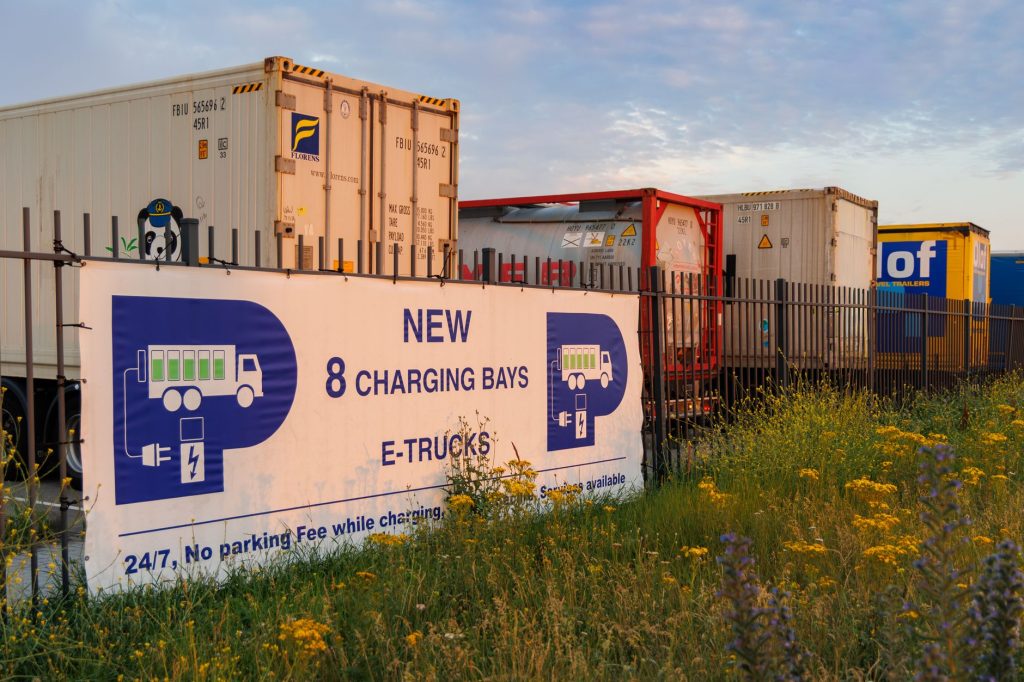
. Unlike private EV owners who can often rely on home charging, a commercial fleet requires a robust, high-speed charging network capable of supporting hundreds, if not thousands, of vehicles simultaneously. Building such a network is capital-intensive and requires significant real estate, power grid upgrades, and smart energy management systems. BluSmart, like many early movers, invested heavily in proprietary charging hubs. While effective for its own fleet, this model faced limitations in scalability and interoperability. The dependency on a closed network could create bottlenecks and operational inefficiencies, particularly during peak demand.
Unit economics
also presented a formidable challenge. Despite the lower per-kilometer running costs of EVs, the higher upfront vehicle acquisition cost, coupled with battery depreciation over time, impacted profitability. Furthermore, the Indian ride-hailing market is characterized by intense competition and aggressive discounting, making it difficult to pass on the true cost of operations to consumers. Driver incentives, maintenance schedules, and the relatively shorter operational lifespan of batteries in intense commercial use added further layers of complexity to the financial model.
Operational density and fleet management
were equally critical. Efficient dispatch, minimizing empty runs, and ensuring vehicles are charged and available at the right place at the right time require sophisticated algorithms and real-time data analysis. India’s diverse road conditions, traffic congestion, and varying demand patterns across different urban zones make this an incredibly complex optimization problem. Any downtime for charging directly translates to lost revenue and reduced vehicle utilization, a critical metric for fleet operators.
Green SM’s Playbook: Reimagining the EV Mobility Blueprint
Against this backdrop, Green SM’s entry into the Delhi NCR market is not merely an act of ambition, but a calculated bet that the lessons from previous ventures can be leveraged to forge a more sustainable path. While specific details of their operational strategy are still emerging, industry observers anticipate a more nuanced approach, one that likely integrates advanced technology and a diversified business model.
One key area where Green SM might innovate is in
charging infrastructure and battery management
. Instead of relying solely on owned, centralized hubs, a distributed network of fast-charging stations, possibly in partnership with public utilities, commercial establishments, or even utilizing battery swapping technologies, could be explored. Battery swapping, a model gaining traction with two-wheelers and three-wheelers, offers the advantage of instant energy replenishment, drastically reducing vehicle downtime. However, it requires standardization of battery packs and a robust logistics chain for swapping and recharging. Leveraging AI-driven predictive analytics for battery health monitoring and optimized charging cycles would be crucial to extend battery life and reduce replacement costs.
Technological integration
, particularly in the realm of AI and machine learning, will be paramount. Green SM will likely deploy sophisticated algorithms for
demand forecasting
, predicting peak hours and geographic hotspots to pre-position vehicles and optimize driver allocation. AI-powered
route optimization
can minimize travel distances, reduce energy consumption, and improve estimated arrival times. Furthermore, advanced
telematics and fleet management software
can provide real-time data on vehicle performance, driver behavior, and energy consumption, allowing for proactive maintenance and operational adjustments. This deep tech approach moves beyond simply managing a fleet to truly optimizing every facet of its operation.
Another potential differentiator for Green SM could lie in its
business model
. Rather than solely competing in the highly commoditized consumer ride-hailing space, they might explore a hybrid approach. This could involve focusing on corporate employee transport, dedicated last-mile logistics for e-commerce, or even partnerships with public transport agencies for feeder services. Such B2B segments often offer more predictable demand, longer contract durations, and potentially better margins, providing a stable base to build upon. This diversified revenue stream could cushion the impact of intense competition in the general consumer market.
Furthermore, a focus on
vertical integration
or strategic alliances within the EV ecosystem could offer advantages. This might include partnerships with EV manufacturers for favorable pricing and maintenance support, or collaborations with energy companies for dedicated power supply and renewable energy integration at charging stations. Such an ecosystem play can help de-risk operations and create a more resilient supply chain.
The Broader Ecosystem: Policy, Innovation, and Investment
The success of Green SM, or any EV ride-hailing venture in India, is not solely dependent on its internal strategy. It is inextricably linked to the broader evolution of the Indian EV ecosystem. Government policies will continue to play a pivotal role, not just through subsidies but also by standardizing charging infrastructure, facilitating land acquisition for charging hubs, and offering incentives for battery manufacturing and recycling. The recent push for indigenous semiconductor manufacturing and advanced cell chemistry (ACC) battery production, as seen in the government’s Production Linked Incentive (PLI) schemes, is vital. A localized supply chain for critical EV components can significantly reduce costs and enhance self-reliance, making EV adoption more economically viable.
Private investment, while cautious after some initial high-burn models, continues to flow into the clean mobility sector. Investors are now looking for companies with clear paths to profitability, robust technology stacks, and sustainable unit economics. This shift in investor sentiment favors models that prioritize efficiency and strategic growth over aggressive, capital-intensive expansion. Deep tech solutions, from advanced battery management systems to AI-driven fleet optimization, are increasingly seen as key enablers for long-term success.
The Indian market itself is ripe for innovation. The sheer scale of population and the growing demand for convenient, affordable transportation present an immense opportunity. However, this opportunity comes with the challenge of catering to a diverse demographic with varying price sensitivities and expectations. Companies like Green SM must strike a delicate balance between offering a premium, clean service and maintaining competitive pricing.
Conclusion: A Defining Moment for Indian EV Mobility
Green SM’s journey in Delhi NCR represents more than just a new competitor in the ride-hailing space. It is a crucial experiment, a practical application of evolving business models and technological advancements in the challenging realm of electric mobility. The lessons learned from previous ventures, combined with a greater understanding of infrastructure requirements, battery technology, and operational efficiencies, suggest a more mature approach is possible.
For India’s ambitious EV targets to be met, scalable and profitable electric ride-hailing services are indispensable. They not only accelerate EV adoption by increasing vehicle utilization but also expose a wider demographic to the benefits of electric transport. If Green SM can successfully navigate the intricate web of infrastructure gaps, economic pressures, and operational complexities, it will not only secure its own future but also lay down a robust blueprint for sustainable, electrified urban mobility across India. The road ahead is undoubtedly challenging, but the potential for transformative impact is immense.