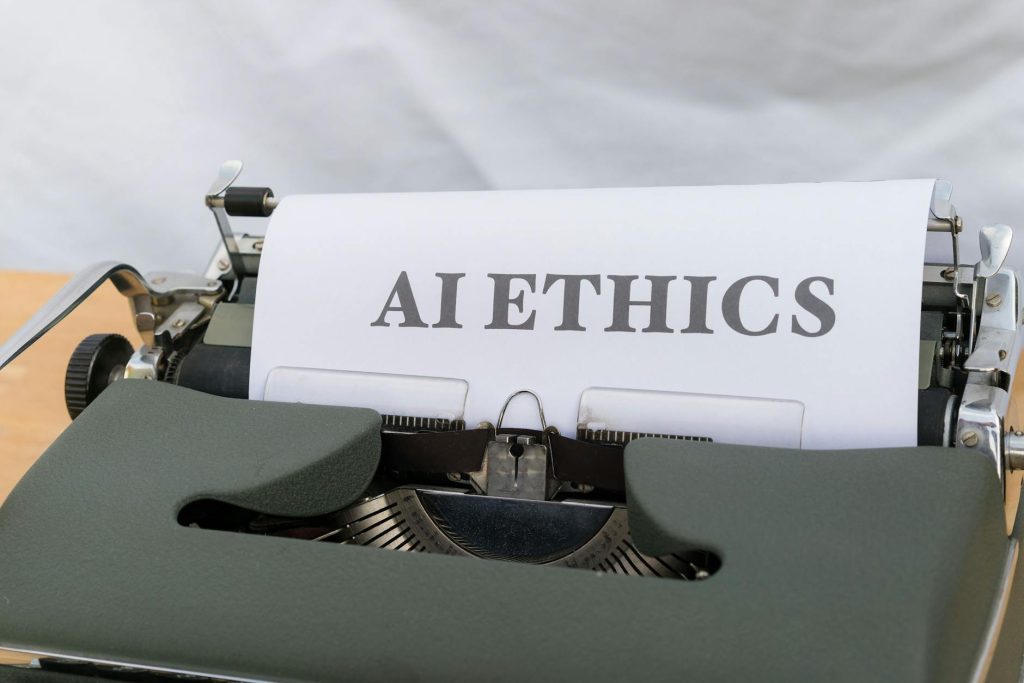
As the global race for AI leadership intensifies, India’s nuanced approach to governance is taking shape, demanding strategic foresight from its burgeoning AI startup ecosystem.
The global discourse around Artificial Intelligence has shifted dramatically from pure innovation to a complex interplay of opportunity, risk, and governance. For Indian startups, this isn’t just a theoretical debate happening in Brussels or Washington. It’s a palpable reality shaping product development, market access, and investment cycles right here at home. India’s unique position, balancing a vast digital population with an urgent need for economic growth, means its AI policy will inevitably chart a distinctive course. The question for founders isn’t
if
AI will be regulated, but
how
, and more importantly,
what to do about it
as the framework solidifies.
The Evolving Landscape of Indian AI Governance
Unlike the European Union’s prescriptive AI Act, India has largely favoured a facilitative, “pro-innovation” approach, aiming to nurture its AI ecosystem rather than stifling it with heavy-handed rules. This strategy, primarily spearheaded by the Ministry of Electronics and Information Technology (MeitY), focuses on guidelines, advisories, and leveraging existing digital laws. The intent is clear: foster growth while encouraging responsible development. However, this also means the regulatory landscape isn’t a single, clearly defined path, but a series of interconnected frameworks that AI startups must navigate.
MeitY has been consistent in its messaging about promoting “AI for All” and ensuring that AI development aligns with societal benefits. This overarching philosophy underpins various initiatives, from national AI strategies to calls for public-private partnerships in AI research and deployment. The government’s emphasis on ethical AI, bias mitigation, and transparency, while currently in advisory form, sets a strong expectation for the industry. Ignoring these principles now would be a strategic misstep, potentially leading to costly retrofits down the line as these advisories inevitably gain more teeth.
Connecting the Dots: Data, Ethics, and Sector-Specific Rules
For AI startups, the absence of a dedicated, comprehensive AI law doesn’t mean a regulatory vacuum. Instead, it necessitates a deeper understanding of how existing and impending regulations intersect with AI development and deployment.
The Digital Personal Data Protection Act (DPDP Act), 2023: This is arguably the most significant piece of legislation impacting AI in India today. AI models are inherently data-hungry. The DPDP Act, with its stringent requirements for consent, data minimization, purpose limitation, and data fiduciary obligations, directly impacts how AI startups can collect, process, and store personal data. Any AI system handling personal data must be built with DPDP Act compliance as a foundational principle, not an afterthought. This means robust consent mechanisms, clear data retention policies, and transparent disclosures about data use are non-negotiable.
MeitY’s Ethical AI Guidelines: While not legally binding, MeitY’s advisories on responsible AI, fairness, accountability, and transparency serve as a crucial blueprint. These aren’t just academic exercises; they reflect the government’s long-term vision for AI. Startups that proactively embed these ethical considerations into their AI design, testing, and deployment processes will not only build more trustworthy products but also gain a significant competitive edge. Think of it as future-proofing your business against inevitable stricter oversight.
Sector-Specific Regulatory Scrutiny: Beyond MeitY, other regulators are closely watching AI’s proliferation in their domains. The Reserve Bank of India (RBI), for instance, is increasingly scrutinizing AI applications in fintech, particularly concerning credit scoring, fraud detection, and customer onboarding. Similarly, the Securities and Exchange Board of India (SEBI) will have a keen eye on AI in capital markets, especially in algorithmic trading and investment advisory. Health-tech AI will face scrutiny from health ministries and medical councils. Each of these sectors will likely develop their own specific guidelines or amendments to existing rules, adding layers of compliance for specialized AI startups.
Incentives and Strategic Support from DPIIT
It’s not all about regulation. The Department for Promotion of Industry and Internal Trade (DPIIT) continues to play a pivotal role in fostering a supportive ecosystem for startups, including those in AI. Initiatives aimed at providing tax benefits, easier compliance for recognized startups, and access to government procurement opportunities can be crucial for AI ventures. While a direct “PLI for AI” scheme is still in discussion, the government’s interest in boosting domestic AI capabilities, particularly in hardware and critical applications, suggests that more targeted incentives could be on the horizon. Startups should actively monitor DPIIT announcements and engage with relevant industry bodies to leverage these support mechanisms.
“The regulatory tightrope for Indian AI startups demands both agility and foresight. Navigating the DPDP Act and anticipating MeitY’s evolving ethical guidelines isn’t merely about compliance; it’s about building trust and a sustainable competitive advantage in a market hungry for responsible innovation.”
The Crucial Three Things Startups Must Do Now
The evolving nature of India’s AI regulatory framework presents both challenges and opportunities. For founders, investors, and product teams, inaction is the riskiest strategy.
The coming years will define India’s position in the global AI hierarchy. For Indian AI startups, this period is critical. Those who proactively embrace responsible innovation, understand the interconnected regulatory fabric, and strategically engage with the policy ecosystem will not only survive but thrive, becoming the torchbearers of India’s AI-powered future. The opportunity to build trusted, impactful AI solutions is immense, but it hinges on a deep understanding of the policy currents shaping this new frontier.