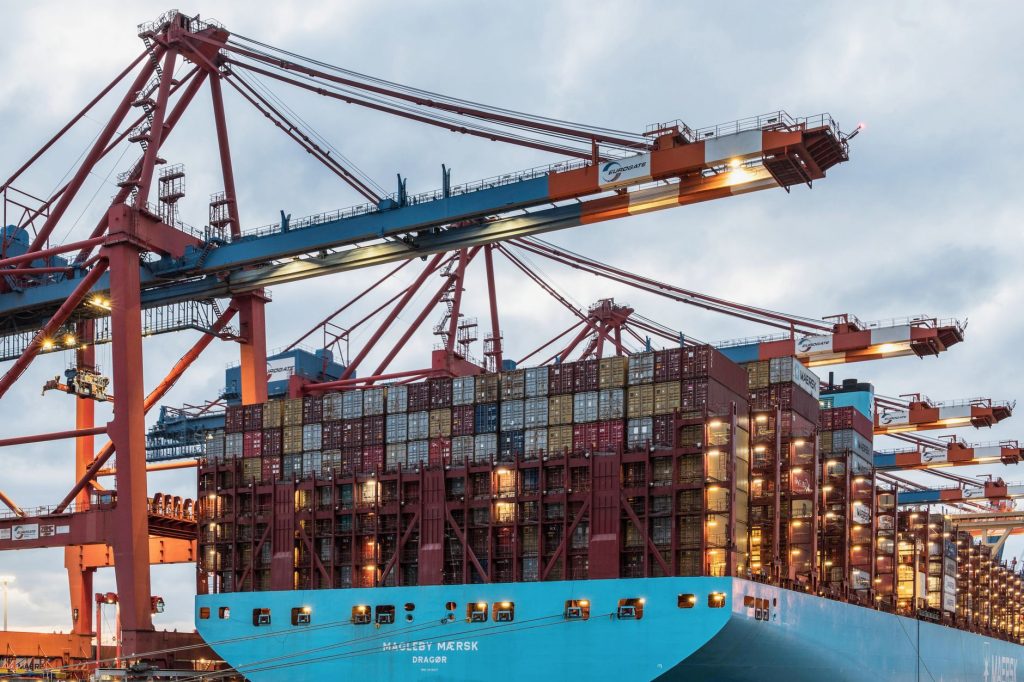
The government’s ₹10,000 crore push into domestic container manufacturing is a strategic move to insulate Indian businesses from global shipping volatility, creating fresh opportunities and challenges for the startup ecosystem.
The high seas have always been unpredictable, but recent years have transformed mere uncertainty into a full-blown systemic risk for global trade. For Indian exporters, the situation is particularly acute. Take the Indian Rice Exporters Federation, for instance. A 20-foot container carrying 26.5 tonnes of basmati rice, destined for Iran, now costs approximately $5,000 to book—if a vessel can even be found. “It is difficult for the ships to pass through the Strait of Hormuz now. Availability of vessels from Kandla or Mumbai to Iran is very poor,” explains Prem Garg, president of the Federation. This isn’t an isolated incident, but a symptom of a larger global shipping squeeze, fueled by geopolitical tensions, port congestions, and a fundamental shortage of critical logistics infrastructure. For Indian businesses, especially those with international aspirations or complex import needs, such disruptions translate directly into soaring costs, delayed deliveries, and lost market opportunities.
Against this backdrop, the Union Budget 2026-27’s announcement of a ₹10,000 crore container manufacturing scheme isn’t just a financial allocation; it’s a strategic declaration of intent. The recent unveiling of an India-made EXIM container by DCM Shriram Group for shipping giant Maersk, followed by Maersk’s subsequent order for another 1,000 units, marks a tangible first step in India’s ambitious journey towards logistical self-reliance. This initiative, while seemingly industrial, holds profound implications for India’s burgeoning startup ecosystem, demanding a re-evaluation of supply chain strategies and opening new avenues for innovation.
The Global Shipping Squeeze and India’s Vulnerability
The global supply chain landscape has been a minefield since the pandemic, a situation exacerbated by ongoing geopolitical flashpoints. Routes through critical chokepoints, such as the Strait of Hormuz or the Red Sea, have become increasingly perilous and expensive. Shipping lines have rerouted, leading to longer transit times and a domino effect of port congestion worldwide. The fundamental issue isn’t just the cost of freight, which has soared to unprecedented levels for many routes, but the sheer unpredictability of vessel availability and delivery schedules. This uncertainty stifles growth, erodes profit margins, and makes long-term planning a nightmare for businesses reliant on international trade.
For India, a nation heavily integrated into global manufacturing and a significant exporter of agricultural products, textiles, and increasingly, high-value goods, this vulnerability is existential. Our dependency on foreign-owned containers and international shipping lines means that the whims of global logistics directly impact our economic stability. Every delay, every price hike, feeds into domestic inflation and makes Indian products less competitive on the global stage. This is precisely the systemic risk the government aims to mitigate with its decisive intervention.
Building Self-Reliance: The Container Manufacturing Imperative
The ₹10,000 crore scheme is a cornerstone of India’s broader ‘Atmanirbhar Bharat’ (Self-Reliant India) vision, extending beyond just manufacturing into critical infrastructure. The goal is to domestically produce a significant portion of the containers needed for India’s export and import trade, reducing reliance on foreign manufacturing hubs, primarily China. This isn’t merely about assembling metal boxes; it’s about establishing an indigenous ecosystem for container production, which includes sourcing raw materials like steel, developing specialized manufacturing processes, and creating quality assurance mechanisms that meet international standards.
The partnership with Maersk, one of the world’s largest shipping companies, is a significant validation of India’s nascent capabilities. It signals that domestically produced containers are not just for local use, but can meet the stringent demands of global logistics players. This early success is crucial for building confidence and attracting further investment into the sector. It also underscores a strategic alignment: global shipping lines, too, are looking to diversify their sourcing and build more resilient supply chains, making India an attractive partner.
Startup Opportunities in a Resilient Supply Chain
While the immediate beneficiaries of the container scheme are large industrial players like DCM Shriram, the ripple effects throughout the Indian economy, especially for startups, are considerable. This initiative transforms a critical constraint into a fertile ground for innovation across several sectors:
Logistics and Supply Chain Tech
- Digital Freight Platforms: With more domestically available containers, there will be an increased demand for efficient booking, tracking, and management systems. Startups building AI-powered platforms for freight matching, route optimization, and predictive analytics will find a larger, more stable market. Imagine algorithms that can dynamically allocate domestically produced containers based on demand patterns, weather forecasts, and geopolitical risks.
- IoT and Sensor Tech: Each new container represents an opportunity for embedded technology. Startups developing IoT sensors for real-time tracking of container location, temperature, humidity, and even potential tampering will become invaluable. This data can feed into larger supply chain visibility platforms, offering transparency from factory floor to final destination.
- Warehouse and Port Automation: An increase in domestic container traffic will necessitate more efficient handling at ports and inland container depots. Robotics, automation solutions for loading and unloading, and AI-driven inventory management systems for large logistics hubs will see accelerated demand.
Manufacturing and Deep Tech
- Advanced Materials: The manufacturing of containers requires high-quality steel and other durable materials. Startups innovating in sustainable materials, lightweight composites, or corrosion-resistant coatings could find a niche in supplying this burgeoning industry.
- Smart Manufacturing Solutions: As India scales up container production, there’s a need for advanced manufacturing processes. Startups offering solutions in industrial automation, additive manufacturing (3D printing for components), quality control via computer vision, and predictive maintenance for manufacturing lines can play a crucial role in enhancing efficiency and reducing costs.
E-commerce and D2C Businesses
- Reduced Logistical Headaches: For e-commerce and Direct-to-Consumer (D2C) brands, particularly those involved in cross-border trade or sourcing components internationally, improved domestic container availability means less reliance on volatile global shipping markets. This translates into more predictable inventory management, lower freight costs, and ultimately, better customer experiences.
- New Export Opportunities: A more robust and predictable logistics infrastructure could empower smaller Indian businesses and startups to explore international markets, knowing that their goods can be transported reliably and cost-effectively. This democratizes global trade access.
Expert Analysis: Beyond the Box – Strategic Imperatives for Startups
This government initiative is more than just an industrial policy; it’s a strategic move to de-risk India’s economic future. For startups, understanding this broader context is vital. The push for domestic container manufacturing is a signal of the government’s commitment to building foundational infrastructure that supports a resilient economy. This creates a powerful tailwind for innovation in logistics, manufacturing, and digital platforms that can leverage this newfound capacity.
However, simply having more containers isn’t enough. The true value lies in how efficiently these containers are utilized and integrated into a seamless supply chain. This is where startups specializing in digital transformation of logistics will find their sweet spot. The challenges of interoperability, data standardization, and creating a unified digital backbone for logistics across different stakeholders—manufacturers, freight forwarders, shipping lines, and end-users—are immense, and ripe for disruption.
“The government’s ₹10,000 crore container manufacturing scheme is a declaration of intent, transforming a critical constraint into fertile ground for innovation across several sectors, especially for logistics and supply chain tech.”
Furthermore, this policy aligns with global trends where nations are increasingly prioritizing supply chain resilience over pure cost efficiency. As global trade fragments and geopolitical tensions persist, localized manufacturing and robust domestic logistics networks become critical national assets. Indian startups that can contribute to this vision—whether by optimizing freight movement, developing advanced tracking solutions, or enabling smarter manufacturing processes—will not only find commercial success but also contribute to national strategic objectives.
For founders and investors, the key takeaways are clear:
The Road Ahead: A Resilient India
India’s journey towards a truly resilient and self-reliant supply chain is long, but the container manufacturing scheme is a significant milestone. It represents a proactive governmental approach to a systemic global problem, one that has ripple effects across every sector of the economy. For Indian startups, this isn’t just about adapting to a new policy; it’s about actively shaping the future of India’s trade and logistics landscape. By embracing innovation in logistics tech, smart manufacturing, and supply chain optimization, startups have the opportunity to not only build successful ventures but also play a pivotal role in cementing India’s position as a robust and reliable player in the global economy, insulated from the turbulent winds of international shipping.