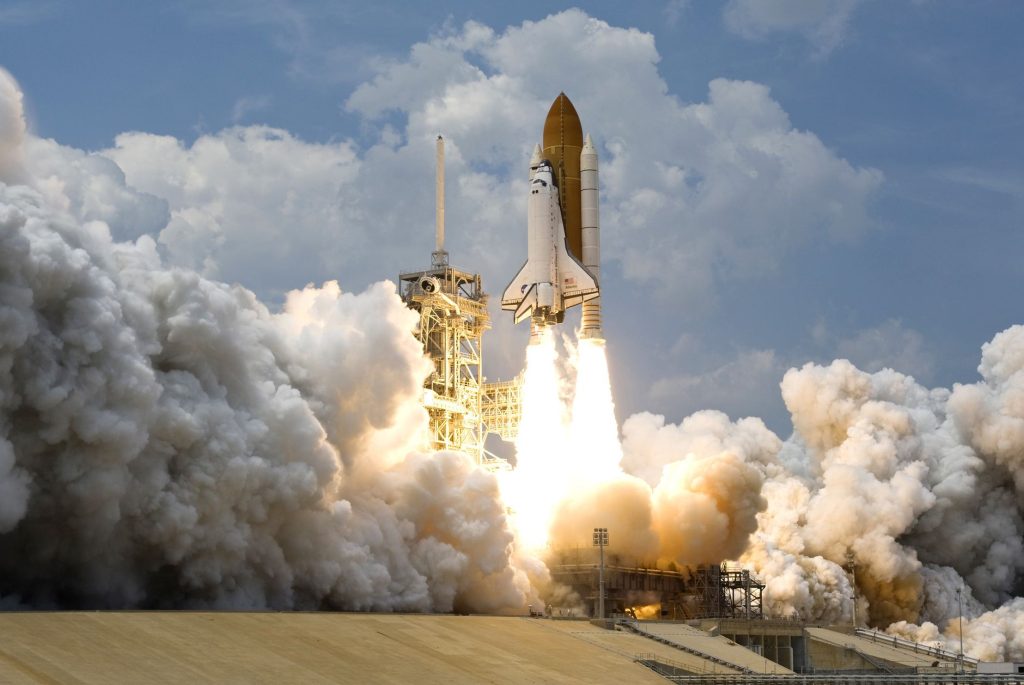
For years, the public markets felt like a distant, sometimes unforgiving, frontier for tech companies. Valuations were scrutinized, profitability demanded, and the grand narratives of rapid growth often hit the cold reality of quarterly earnings. But then, a company built on a vision to colonize Mars, a company that has redefined space travel and connectivity, finally decided to make its grand public debut. And what a debut it has been.
SpaceX, the rocket and satellite internet venture founded by Elon Musk, didn’t just go public this week. It launched itself into the annals of financial history, smashing records, redefining market expectations, and sending ripples across the global startup ecosystem. This isn’t just about a massive valuation or a founder becoming a trillionaire. It’s a statement about the enduring power of audacious innovation, long-term vision, and the market’s renewed appetite for moonshot ventures.
From the buzzing co-working spaces in Bangalore to the nascent deep-tech hubs emerging in Pune and Hyderabad, founders are watching. They are dissecting this moment, trying to understand what it means for their own journeys, their fundraising strategies, and the eventual public market aspirations of India’s burgeoning unicorn cohort.
The Rocket That Broke Records: A Historic Launch on Nasdaq
When SpaceX officially priced its initial public offering on Thursday at $135 per share, it wasn’t just setting a price, it was setting a new benchmark. The company offered 555.6 million shares, aiming to raise a staggering $75 billion. This immediately positioned it as the largest IPO in history, a testament to the sheer scale and ambition that has characterized the company since its inception 24 years ago.
The anticipation was palpable, and the market’s reaction on Friday was nothing short of electrifying. Shares opened on the Nasdaq public exchange at $150, an immediate 11 percent pop from its IPO price. But the ascent didn’t stop there. Throughout midday trading, the stock climbed relentlessly, reaching as high as $176 per share. This meteoric rise propelled SpaceX’s market capitalization to nearly $2.3 trillion, instantly making it the sixth most valuable public company in the United States. It’s a valuation that few could have predicted even a few years ago, underscoring the market’s belief in its multi-faceted future, from reusable rockets to the expansive Starlink satellite network.
Musk’s Trillion-Dollar Orbit: A Personal and Market Milestone
Such a monumental public debut inevitably shines a spotlight on its founder. Elon Musk, already a titan of industry and the world’s wealthiest individual, saw his paper wealth soar past the trillion-dollar mark following SpaceX’s IPO. With an estimated stake of around $860 billion in SpaceX at the IPO price, combined with his holdings in other ventures like Tesla, the stock’s immediate surge was enough to crown him the world’s first trillionaire. It’s a figure that boggles the mind and solidifies his position as a singular force in global technology and finance.
However, beyond the personal wealth, this milestone underscores the market’s willingness to reward founders who tackle seemingly insurmountable challenges with long-term, capital-intensive visions. It’s a narrative that resonates deeply with early-stage founders globally, who often face skepticism about the viability and scale of their audacious ideas.
The Market’s Roar: Demand, Drama, and the Retail Rush
The demand for SpaceX shares was unprecedented. Reports indicated the IPO was oversubscribed by a factor of four, meaning institutional investors clamored for far more shares than were available. This intense demand, coupled with a relatively small float – only about 4 percent of SpaceX’s shares were made available for public trading, with early investors and employees holding the rest – created the perfect storm for wild price swings and aggressive buying on the open market.
The frenzy wasn’t limited to institutional players. Retail investors, eager to own a piece of this historic moment, flooded trading platforms. Robinhood, a popular trading app, reported “record-breaking” traffic on its platform in the hours following SpaceX’s debut. While some customers experienced intermittent latency issues, the platform quickly recovered, highlighting the immense public interest and the democratization of access to these high-profile listings.
The immediate inclusion of SpaceX into major indexes, a result of successful lobbying to change inclusion rules, further fueled demand, ensuring that index funds would be forced to buy shares, adding another layer of upward pressure on the stock price in the coming days, rather than months.
Beyond the Rocket: What This Means for Global Tech’s Future and India’s Ambitions
SpaceX’s IPO isn’t an isolated event; it’s a powerful signal. Many market observers are now talking about a “hot IPO summer,” with other high-profile tech companies like Anthropic and OpenAI potentially eyeing public debuts in the near future. The acronym “FAANG” (Facebook, Apple, Amazon, Netflix, Google) dominated the last era of tech giants, but a new one, “MANGOS” (Meta or Microsoft, Anthropic, Nvidia, Google, OpenAI, SpaceX), is emerging, with half of these new titans potentially hitting public markets in the same window. This shift indicates a profound change in what investors value: a move towards deep tech, AI, and infrastructure-level innovation that promises to reshape industries for decades.
For India’s vibrant startup ecosystem, this global development carries significant weight. While the scale of a SpaceX is unique, the lessons are universal. Indian founders, particularly those in deep-tech, spacetech, or complex problem-solving domains like agritech and healthtech, are seeing the market reward long-term vision and foundational innovation. This could embolden venture capitalists in India to back more ambitious, capital-intensive projects that have longer gestation periods but promise transformative impact.
Our own unicorns, many of whom have been eyeing public markets, will be keenly observing SpaceX’s journey. The blockbuster debut underscores the importance of having a clear path to profitability, strong fundamentals, and a compelling growth story that extends far beyond immediate revenue. Indian startups have faced a mixed bag of results in their recent public listings, and the global benchmark set by SpaceX will undoubtedly raise the bar for investor expectations. It emphasizes that while rapid growth is essential, sustainable, defensible innovation is what truly commands premium valuations on the public stage.
Incubators and accelerators across India, from IIT and IIM programs to NASSCOM and T-Hub initiatives, are nurturing a new generation of founders. While few may aim for orbital launches, the spirit of tackling grand challenges, whether it’s revolutionizing logistics, democratizing healthcare access, or empowering farmers, resonates deeply. SpaceX’s story is a powerful reminder that building truly impactful, category-defining companies requires patience, immense capital, and an unwavering belief in a future that others might dismiss as science fiction.
The Merger Whisper: An Ecosystem-Wide Ripple
Adding another layer of intrigue to SpaceX’s public debut is the persistent speculation about a potential merger with Tesla. Gwynne Shotwell, SpaceX’s President and COO, alluded to the idea recently, suggesting it “might make Elon’s life a little easier.” The companies already share a founder, and Tesla itself has been increasingly pitched as an AI and robotics company, despite its primary revenue still coming from electric vehicles. SpaceX even amended its S-1 registration document ahead of its IPO to include new language in its risk factors section about mergers and acquisitions, specifically mentioning the possibility of issuing significant equity in connection with such deals.
This kind of strategic optionality, even if years away, demonstrates the interconnectedness of visionary companies and how founders think about consolidating their impact. It’s a complex dance of leveraging synergies, talent, and technological advancements across seemingly disparate ventures, a concept that even smaller, more focused startups in India are beginning to explore as they build out their ecosystems.
Conclusion: Beyond the Hype, a Blueprint for the Future
SpaceX’s IPO is more than just a financial event; it’s a cultural moment. It signifies a resurgence of optimism for the public markets, a renewed faith in deep technology, and a clear signal that investors are willing to back companies solving truly fundamental, long-term problems. For budding entrepreneurs in India, it’s a powerful narrative of ambition realized. While not every startup will build rockets or become a trillion-dollar entity, the underlying principles of relentless innovation, strategic long-term planning, and a deep understanding of market needs remain the bedrock of success. SpaceX has not just gone public; it has offered a blueprint for the kind of audacious, impactful entrepreneurship that can redefine industries and inspire generations.