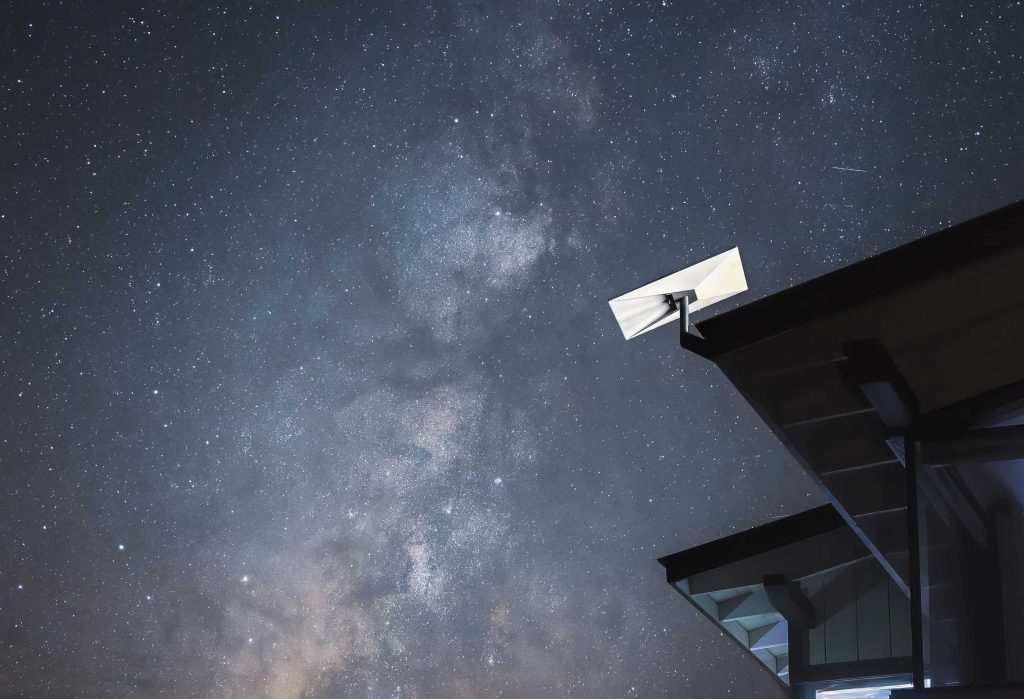
Featured image courtesy of Starlink.
Elon Musk called Reliance Industries chairman Mukesh Ambani “Prime Minister” on X recently, a sarcastic jibe in their public dispute. This comment intensified the ongoing friction over Starlink’s entry into India, a situation this publication has tracked since August 21, 2026. Musk claims India’s mobile internet market favors the Ambani family, preventing Starlink from fair competition.
Musk has often criticized what he calls an “absurd hypocrisy” and a “de facto monopoly” in India’s telecommunications sector. He has shared old reports claiming political connections, suggesting the system works against new entrants like Starlink. Starlink is a deep tech venture using low-Earth orbit (LEO) satellites for high-speed internet. It needs clear market access and regulatory clarity. This public disagreement on X shows the challenges international technology companies face when trying to operate in India.
Critics of Starlink’s entry have raised concerns about national sovereignty and security. These matters are central to India’s approach to critical infrastructure, especially in telecommunications. Starlink brings advanced global connectivity, potentially benefiting remote areas. However, its operational model means foreign control over key network components. This conflicts with national security mandates prioritizing domestic control and data residency.
Union Minister Jyotiraditya Scindia addressed the monopoly claims directly. He stated that licensed operators can start services once spectrum is assigned and all security conditions are met. The Indian government, through Scindia, frames this process as regulatory compliance, not arbitrary blocking of competition. For Starlink, securing spectrum allocation and navigating India’s security protocols is critical, regardless of public pressure. Spectrum assignment, a finite and regulated resource, involves auctions or administrative allocations. This can become a point of contention for new players.
This dispute shows a recurring challenge for global technology companies entering India: how to balance innovation with existing market structures and national regulatory priorities. India, with its large and growing digital consumer base, is a critical market for satellite internet providers. Yet, the nation also aggressively pursues digital sovereignty and domestic tech capabilities, including semiconductor manufacturing and indigenous deep tech research. Starlink’s satellite communications, while innovative, must compete with a market that already has extensive terrestrial mobile network coverage from players like Reliance Jio.
Musk’s public confrontation strategy works in some Western markets, but it faces a different dynamic in India’s regulatory and business environment. The government’s emphasis on spectrum allocation and security conditions offers a clear, though possibly lengthy, pathway for market entry. The dispute centers on Starlink’s operational terms within India’s specific legal and political framework, rather than its technical capabilities. Global deep tech companies entering India should prepare for a rigorous, sometimes politically charged, regulatory journey. In India, national interests, especially security and market fairness, are not negotiable.
What is Elon Musk’s primary complaint regarding Starlink’s entry into India?
Elon Musk believes that India’s mobile internet market is skewed to favor the Ambani family, preventing Starlink from having a fair chance.
What specific concerns have critics raised about Starlink’s presence in India?
Critics have pointed to issues of national sovereignty and security regarding Starlink’s operations in the country.
How did Union Minister Jyotiraditya Scindia respond to claims of a monopoly?
Jyotiraditya Scindia rejected the monopoly claims, stating that licensed operators can begin services once spectrum is assigned and security conditions are met.
Sources
- Elon Musk and Mukesh Ambani’s feud over Starlink | Explained
- ‘Competition would greatly benefit average Indian’: Elon Musk takes a fresh swipe at Ambani over Starlink’s entry
- After ‘Prime Minister’ jibe, Elon Musk doubles down on attack against Ambani – What his latest post on X said
- Elon Musk ups ante in Starlink row, sarcastically calls Ambani ‘Prime Minister’, alleges monopoly
Compiled by Launch91 Desk from the sources linked above. More about Launch91.